
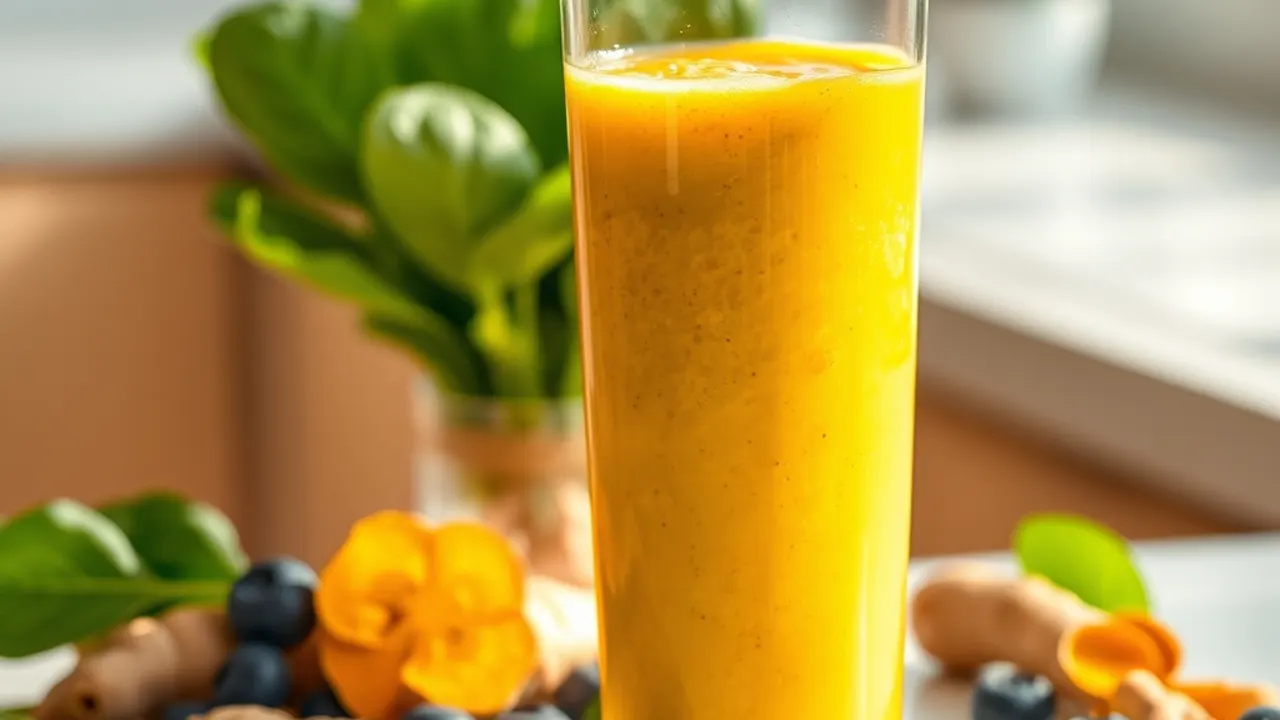
Chronic low-grade inflammation can leave you feeling sluggish, stiff, and drained. While your body relies on short-term inflammation to heal injuries, ongoing systemic inflammation often stems from daily stress, lack of sleep, and highly processed diets. Fortunately, one of the easiest and most refreshing ways to flood your body with protective phytonutrients is by blending wholesome whole foods. These vibrant anti inflammatory smoothie recipes deliver clinically studied roots, polyphenol-rich fruits, and essential fatty acids in delicious, everyday drinks.
Whether you need an energizing breakfast, a post-workout recovery boost, or an afternoon pick-me-up, each recipe below utilizes real ingredients that work synergistically to support cellular health, gut comfort, and joint ease.
The Building Blocks of an Anti-Inflammatory Smoothie
Creating an effective wellness blend requires more than tossing random fruit into a pitcher. To keep blood sugar stable and maximize nutrient absorption, every nourishing smoothie should balance four core components:
- Antioxidant-Dense Produce: Deeply pigmented fruits and vegetables like wild blueberries, cherries, and dark leafy greens contain potent plant compounds such as anthocyanins, which research summarized by the Harvard T.H. Chan School of Public Health associates with cellular defense against oxidative stress.
- Bioactive Spices & Roots: Fresh ginger and turmeric contain active compounds (gingerols and curcumin) renowned for suppressing inflammatory signaling pathways.
- Healthy Fats: Curcumin and fat-soluble vitamins (A, D, E, K) require dietary fat for optimal assimilation. Chia seeds, flaxseed, hemp hearts, and avocado ensure high bioavailability.
- Hydrating, Low-Sugar Bases: Unsweetened plant milks, green tea, or pure coconut water provide hydration without the refined sugar spikes that drive systemic inflammation.
If you want to explore foundational techniques for smooth texture and balanced sweetness, check out our guide on the best juice for smoothies to see which liquids keep sugar in check.
4 Anti Inflammatory Smoothie Recipes to Make at Home
1. Golden Turmeric Sunshine Smoothie
Inspired by the traditional Ayurvedic golden milk, this vibrant yellow blend pairs warming root spices with juicy tropical fruits and healthy fats. It delivers a gentle, zesty kick that awakens the senses.
| Ingredient | Quantity | Purpose |
|---|---|---|
| Fresh turmeric root (peeled) or ground turmeric | 1/2-inch knob (or 1/2 tsp ground) | Curcumin for joint and tissue recovery |
| Fresh ginger root | 1/2-inch slice | Digestive support and warming spice |
| Frozen mango chunks | 1 cup | Natural sweetness and vitamin C |
| Unsweetened almond milk or coconut milk | 1 cup | Creamy liquid base |
| Hemp seeds or chia seeds | 1 tbsp | Omega-3 fatty acids for fat-soluble absorption |
| Freshly ground black pepper | Pinch | Piperine to boost curcumin bioavailability |
For readers who enjoy warming, spiced wellness drinks, our traditional golden latte recipe explores the science of pairing turmeric and black pepper in even greater detail.
2. Deep Berry & Chia Antioxidant Elixir
Berries are among the most thoroughly researched foods for combating cellular inflammation. This rich purple smoothie balances tart wild blueberries with creamy plant milk and fiber-rich seeds to promote a thriving microbiome.
- 1 cup frozen wild blueberries
- 1/2 cup frozen dark sweet cherries (pitted)
- 1 tbsp whole chia seeds
- 1 cup unsweetened oat or cashew milk
- 1 cup baby spinach (packed)
- 1/2 tsp pure vanilla extract
For more low-glycemic berry inspiration, explore our simple guide to a keto fruit smoothie, which focuses on keeping fruit sugars moderate.
3. Tropical Green Ginger Cooler
Leafy greens deliver concentrated folate, chlorophyll, and beta-carotene. When combined with pineapple—which supplies bromelain, an enzyme evaluated by the National Center for Complementary and Integrative Health for supporting tissue healing—this blend creates a clean, invigorating morning sip.
- 1.5 cups fresh baby kale or spinach
- 3/4 cup frozen pineapple chunks
- 1/2 small avocado (fresh or frozen)
- 1 tbsp fresh grated ginger
- 1 cup chilled pure coconut water or plain filtered water
- Juice of 1/2 lime
If you love bright, digestive-forward drinks that highlight fresh ginger root, check out our refreshing zesty ginger smoothie recipe as well.
4. Creamy Tart Cherry & Beet Recovery Blend
Tart Montmorency cherries and red beets are famous in athletic nutrition circles for easing delayed-onset muscle soreness and maintaining flexible blood vessels through natural dietary nitrates.
- 3/4 cup frozen tart cherries
- 1/2 small raw red beet (peeled and finely grated) or 1 tbsp beet root powder
- 1/2 medium frozen banana
- 1 tbsp ground flaxseed
- 1 cup unsweetened almond milk
Looking for a heart-smart option with complementary ingredients? Read our quick formula for a heart health smoothie to discover additional fiber and seed pairings.
Master Recipe: Step-by-Step Preparation
Achieving a silky, lump-free consistency from dense roots and leafy greens requires proper blender mechanics:
- Add liquids first: Pour your chosen plant milk, green tea, or coconut water into the bottom of the blender jar to lubricate the spinning blades.
- Layer leafy greens and roots: Add spinach, kale, fresh turmeric, and ginger directly over the blades so they are completely shredded.
- Add seeds and powders: Layer chia seeds, flaxseed, hemp hearts, and spices into the center.
- Top with frozen fruit: Place dense frozen mango, berries, or cherries on top. Their weight pushes leafy ingredients down into the blade vortex.
- Blend on high: Start on medium speed for 15 seconds to break down large chunks, then increase to high for 45 to 60 seconds until perfectly velvety.
Flavor Variations & Smart Add-Ins
You can easily customize these smoothies to fit your daily wellness goals:
- Protein Boost: Add 1 scoop of unflavored or vanilla plant-based protein powder (such as pea or pumpkin seed protein), or 1/3 cup plain Greek yogurt if dairy is tolerated.
- Creaminess Without Dairy: Blend in 2 tablespoons of soaked raw cashews, 1/4 of an avocado, or 1 tablespoon of sunflower seed butter.
- Anti-Inflammatory Herbs: Toss in a few fresh mint leaves, fresh basil, or a pinch of ground cinnamon, which adds natural sweetness without sugar.
Make-Ahead, Meal Prep, and Storage Tips
Because whole plant foods contain fragile enzymes, smoothies are best enjoyed immediately after blending. However, busy mornings call for smart meal-prep strategies:
- Freezer Packs: Measure dry ingredients, sliced roots, and frozen fruits into reusable silicone freezer bags or mason jars. In the morning, dump the contents into your blender, add your cold liquid, and blend in 60 seconds.
- Short-Term Refrigeration: Store leftover smoothie in an airtight glass jar filled to the brim (to limit air exposure). Seal tightly and keep refrigerated for up to 24 hours. Shake vigorously before drinking as natural separation will occur.
Frequently Asked Questions
Can I use ground turmeric and ginger instead of fresh roots?
Yes. If fresh roots are unavailable, use 1/2 teaspoon of ground turmeric or 1/4 teaspoon of ground ginger powder. Fresh roots provide a brighter, crisper flavor, while dried spices offer concentrated potency.
Why is black pepper included with turmeric?
Turmeric's primary active constituent, curcumin, is notoriously difficult for the human body to absorb on its own. Black pepper contains piperine, an alkaloid that significantly enhances curcumin absorption into the bloodstream.
What is the best time of day to drink an anti-inflammatory smoothie?
These blends make an ideal breakfast to start your morning with stable energy, or a refreshing recovery snack within an hour after exercise to support muscle recovery and tissue repair.


