
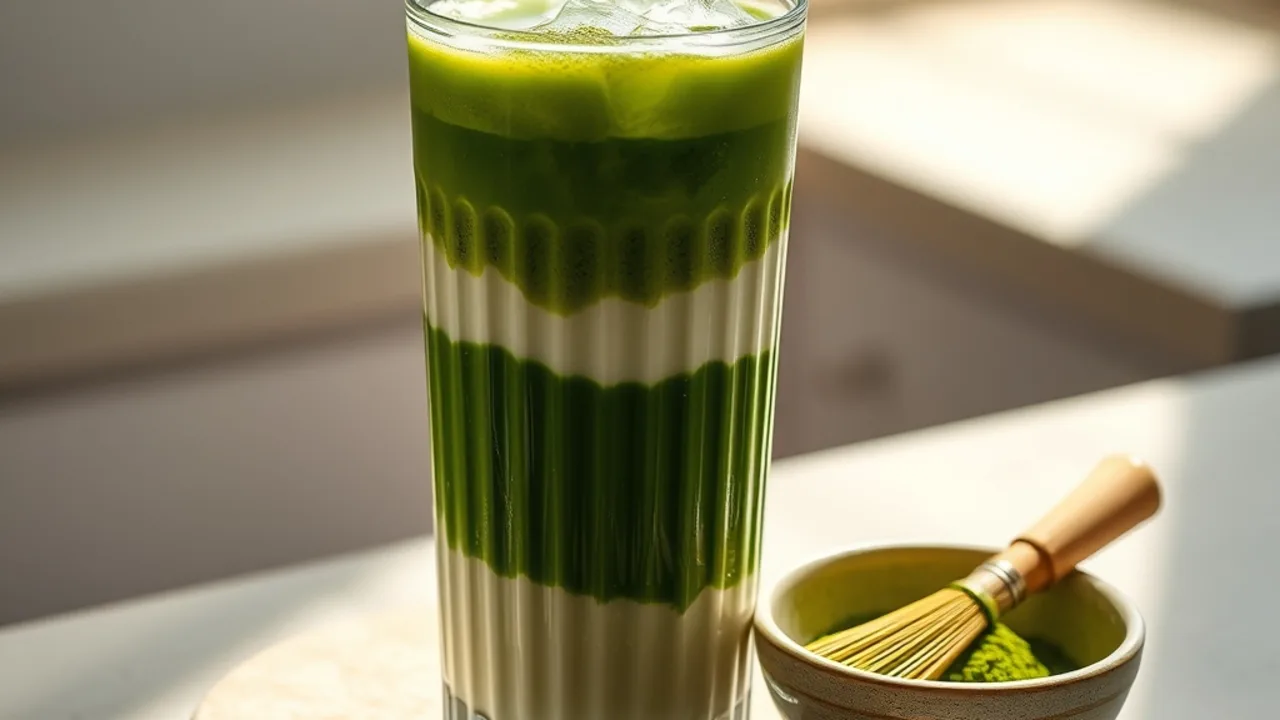
If you are looking for a morning beverage that delivers sharp mental focus without the jittery afternoon crash of standard coffee, exploring the benefits of matcha latte with almond milk is one of the best wellness upgrades you can make. This vibrant green beverage combines whole shade-grown green tea leaves with light, nutty plant milk to create a refreshing ritual that supports sustained vitality, easy digestion, and overall balance.
Unlike regular steeped tea where the leaves are discarded, drinking matcha means consuming the entire pulverized leaf. When paired with unsweetened almond milk, the result is a naturally low-calorie, dairy-free drink that provides antioxidant protection, calming amino acids, and essential micronutrients. Here is an evidence-based look at why this pairing works so well, how it influences your day, and how to craft the perfect cup in your own kitchen.
Top Health Benefits of Matcha Latte with Almond Milk
1. Sustained, Jitter-Free Energy
One of the primary reasons people switch to matcha is the unique synergy between caffeine and L-theanine. Matcha contains a moderate amount of caffeine—typically between 35 and 70 milligrams per teaspoon—which stimulates alertness. However, it also boasts high levels of L-theanine, an amino acid recognized for promoting alpha brain wave activity, fostering calm attention without drowsiness.
As documented by the Harvard T.H. Chan School of Public Health, green tea consumption provides steady alertness because L-theanine slows the absorption of caffeine. This prevents the rapid spike and precipitous blood-sugar crash commonly associated with sugary espresso drinks or energy tonics.
2. Concentrated Antioxidant Defense
Matcha is renowned for its high concentration of polyphenols, particularly epigallocatechin gallate (EGCG). Research summarized by the National Center for Complementary and Integrative Health highlights green tea's bioactive compounds for their role in counteracting oxidative stress at the cellular level. Drinking finely ground matcha delivers significantly higher concentrations of catechins than standard steeped green tea bags.
3. Naturally Low in Calories and Carbs
While coffeehouse lattes made with whole dairy milk or heavy oat milk can easily pack 180 to 250 calories before adding sweeteners, unsweetened almond milk contains only 30 to 40 calories per cup. If you want a creamy morning sip that fits comfortably into low-carb or weight-management routines, this combination keeps the drink light without sacrificing texture. To see how other plant milks stack up nutritionally, check out our guide to the best non dairy milk for matcha latte.
4. Gentle on Digestion and Naturally Lactose-Free
Dairy milk contains lactose, which can trigger bloating, discomfort, or sluggish digestion for millions of individuals. High-fat dairy can also mute the subtle, vegetal sweetness of high-grade matcha. Unsweetened almond milk is naturally lactose-free, light on the stomach, and leaves you feeling refreshed rather than weighed down after breakfast.
5. Vitamin E and Skin-Nourishing Nutrients
Almond milk is naturally rich in vitamin E, a fat-soluble nutrient that acts as an antioxidant inside cell membranes. When combined with the anti-inflammatory polyphenols inside matcha powder, this duo provides dual support for skin hydration and cellular defense against environmental stressors.
Matcha Latte Nutrition Overview
Here is an approximate nutritional breakdown for an 8-ounce hot or iced matcha latte made with unsweetened almond milk and 1 teaspoon of culinary or ceremonial matcha (without added sugar):
| Nutrient | Estimated Amount per Serving |
|---|---|
| Calories | 35–45 kcal |
| Protein | 1.5 g |
| Fat | 2.5–3 g |
| Carbohydrates | 1.5–2 g |
| Dietary Fiber | 1 g |
| Caffeine | 35–65 mg |
| Vitamin E | 20–30% Daily Value (DV) |
How to Make an Almond Milk Matcha Latte at Home
Making a barista-quality drink takes less than five minutes. Sifting the powder and respecting water temperatures are the two golden rules for avoiding clumps and preserving delicate nutrients.
Ingredients
- Matcha powder: 1 level teaspoon (approximately 2 grams) of ceremonial or high-grade culinary matcha. If you prefer a stronger kick, review our guide on 1 tbsp matcha conversions and caffeine.
- Water: 2 ounces (1/4 cup) warm water, heated to around 165°F–175°F (never rolling boiling water).
- Almond milk: 6 ounces (3/4 cup) unsweetened plain or vanilla almond milk.
- Sweetener (optional): 1 teaspoon pure maple syrup, raw honey, or a drop of monk fruit for sweetness.
- Ice (for iced latte): 1 cup fresh ice cubes.
Step-by-Step Instructions
- Sift the matcha: Place a small fine-mesh sieve over a small bowl or wide-mouth mug. Sift your matcha powder to eliminate lumps.
- Add warm water: Pour the hot (not boiling) water over the sifted green powder. Boiling water scorches the tea leaves, destroying delicate antioxidants and leaving a bitter aftertaste.
- Whisk until frothy: Use a traditional bamboo whisk (chasen) in a rapid "W" motion until a dense, velvety green microfoam forms on top. Alternatively, use a handheld electric milk frother for 20 seconds. If you enjoy quick cold brewing, you can also explore techniques for mixing and frothing iced matcha powder directly.
- Prepare the almond milk:
- For a hot latte: Gently warm the almond milk in a small saucepan or steam it with a frother until warm and silky.
- For an iced latte: Fill a tall glass with ice and pour cold almond milk over the top.
- Combine: Slowly pour the frothed matcha over your milk. Stir in your sweetener of choice, sip, and enjoy immediately.
Almond Milk vs. Oat Milk: Which Is Better for Matcha?
While both plant milks make delicious beverages, their flavor profiles and nutritional structures differ noticeably:
- Almond Milk: Very light, slightly nutty, and lower in carbohydrates and calories. It lets the grassy, umami character of premium matcha remain the undisputed star.
- Oat Milk: Richer, naturally sweeter, and thicker in mouthfeel. It froths similarly to whole dairy milk, making an iced matcha latte with oat milk feel more like a cozy coffeehouse dessert.
Choose almond milk when you want a clean, refreshing, and low-calorie drink that hydrates, or switch to oat milk when you crave indulgent creaminess.
Practical Tips for the Best Flavor
- Check your almond milk ingredients: Look for unsweetened varieties with minimal gums or stabilizers. Homemade or simple two-ingredient almond milk provides the cleanest flavor.
- Keep the water below boiling: Water heated beyond 175°F (80°C) oxidizes delicate polyphenols instantly, making the beverage taste unpleasantly bitter.
- Store your matcha in the fridge: Matcha oxidizes quickly when exposed to heat, light, and air. Keep it sealed in an airtight, opaque tin inside your refrigerator to preserve bright green color and antioxidant potency.
Frequently Asked Questions
Can I drink a matcha latte with almond milk every day?
Yes. For most healthy adults, drinking one to two servings daily is a safe, nourishing habit. It fits easily into clean eating patterns and provides steady daily antioxidants without excess saturated fat or refined sugars.
Does almond milk block the absorption of matcha antioxidants?
Unlike cow's milk—where the dairy protein casein can bind to green tea catechins and potentially slow absorption—nut milks like almond milk do not contain casein. This ensures the antioxidant compounds remain freely bioavailable for your body to absorb.
Can I make an almond milk matcha latte ahead of time?
While fresh is best, you can prepare the whisked matcha and keep it chilled in an airtight jar in the refrigerator for up to 24 hours. When ready, shake it vigorously with cold almond milk and ice. If you want a ready-to-drink batch, consider our guide on cold brew matcha overnight.


