
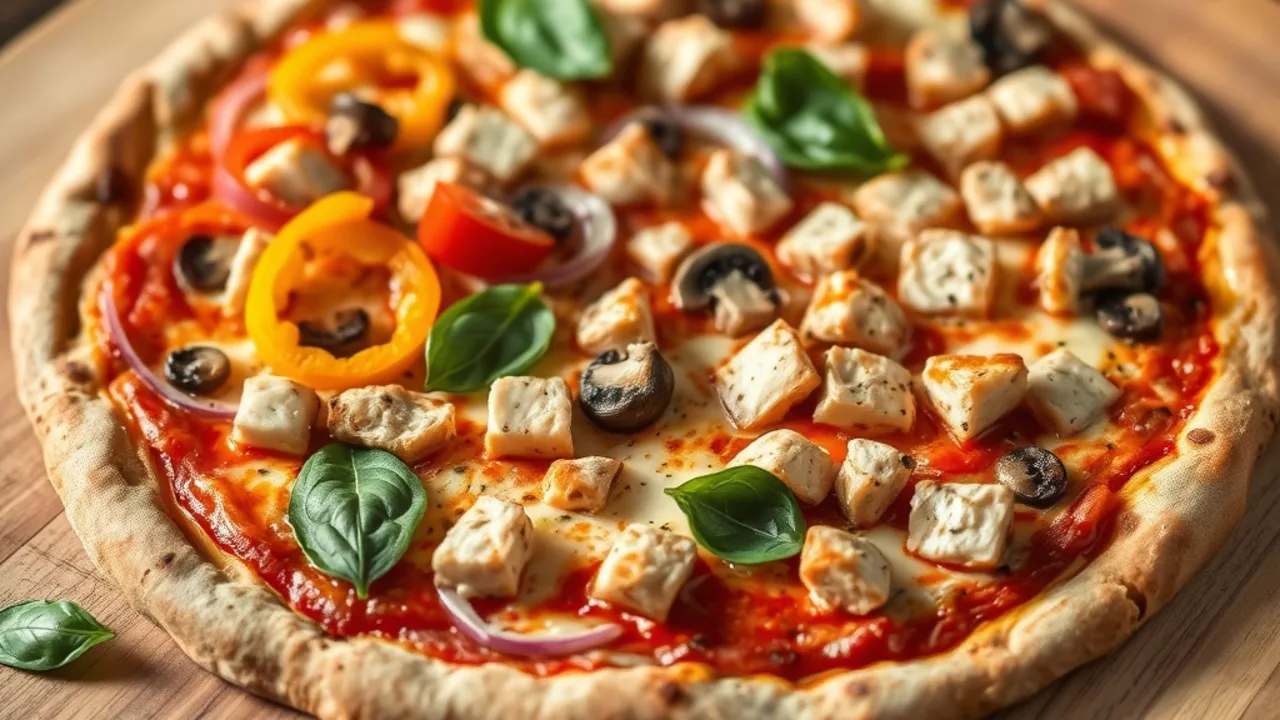
Pizza is a beloved dish around the world, but it often gets a bad rap for being high in calories and unhealthy fats. The good news is, you can absolutely enjoy pizza as part of a balanced diet! Understanding what contributes to healthy pizza calories and how to make smart ingredient choices is key.
There's no single answer to how many calories are in a "healthy pizza," as it depends entirely on the ingredients and portion size. However, by making conscious decisions about your crust, sauce, cheese, and toppings, you can significantly reduce the calorie count and boost its nutritional value, transforming it from an indulgence to a wholesome meal.
What Makes Pizza "Unhealthy" (and How to Change It)
Traditional pizzas, especially those from fast-food chains, often pack a caloric punch due to:
- Thick, refined flour crusts: These are high in carbohydrates and often low in fiber.
- Excessive cheese: While delicious, too much cheese adds significant saturated fat and calories.
- Fatty processed meats: Pepperoni, sausage, and bacon contribute high levels of sodium, fat, and calories.
- Sugary sauces: Some pre-made sauces can have hidden sugars.
The good news is, each of these elements can be adjusted to create a much healthier pizza.
Smart Choices for Lowering Healthy Pizza Calories
Here’s how to build a pizza that's both delicious and aligns with your healthy eating goals:
1. Choose Your Crust Wisely
The crust is often the largest calorie contributor. Opt for lighter, more nutrient-dense bases:
- Thin crust: Simply using a thinner crust reduces overall dough volume and calories.
- Whole wheat crust: Provides more fiber, which aids digestion and keeps you feeling fuller longer.
- Vegetable-based crusts: Cauliflower, zucchini, or sweet potato crusts can dramatically lower carbs and increase vegetable intake.
- Portion control: Even with a regular crust, enjoying one or two slices rather than half a pizza makes a big difference.
2. Lighten Up on the Sauce
Simple is often best when it comes to pizza sauce:
- Homemade tomato sauce: Blend fresh tomatoes with herbs and spices for a vibrant, low-sugar sauce.
- Pesto: Use a thin layer of pesto for flavor, but be mindful of its oil content.
- Olive oil and garlic: A drizzle of olive oil with minced garlic can be a flavorful, light base.
3. Moderate the Cheese
Cheese is a pizza essential, but a little goes a long way:
- Less is more: Use half the amount you typically would.
- Low-moisture part-skim mozzarella: This type of cheese has fewer calories and fat than whole milk mozzarella.
- Stronger cheeses: A sprinkle of Parmesan or goat cheese can provide intense flavor with less volume.
4. Load Up on Veggies and Lean Proteins
This is where you can truly make your pizza shine nutritionally and keep healthy pizza calories in check. Vegetables are low in calories and high in vitamins, minerals, and fiber. Lean proteins add satiety without excessive fat.
- Veggies: Bell peppers, onions, mushrooms, spinach, broccoli, artichokes, cherry tomatoes, olives.
- Lean proteins: Grilled chicken, turkey sausage, shrimp, crumbled extra-lean ground beef, or plant-based options like beans or tofu.
For more ideas on incorporating healthy foods into your diet, check out our article on what are 20 most healthy foods.
Example: Building a Healthier Homemade Pizza
Let’s put these tips into practice with a hypothetical example for a personal-sized (8-inch) pizza:
Healthy Veggie & Chicken Pizza
- Crust: 1 small (8-inch) whole wheat thin crust (approx. 150-200 calories)
- Sauce: 1/4 cup crushed tomatoes with garlic and herbs (approx. 25 calories)
- Cheese: 1/4 cup part-skim shredded mozzarella (approx. 80-90 calories)
- Toppings:
- 1/2 cup sliced bell peppers, onions, mushrooms (approx. 20 calories)
- 2 oz grilled chicken breast, shredded (approx. 60-70 calories)
- A handful of fresh spinach (negligible calories)
Estimated Total Calories: 335-405 calories for the entire personal pizza.
Compare this to a single slice of a large, traditional pepperoni pizza from a chain, which can easily be 300-400+ calories. Making your own allows for complete control and significantly lower calorie counts for a much larger portion!
For other easy and healthy dinner options, explore our collection of easy healthy dinners.
Cooking Tips for Your Healthy Pizza
- Pre-bake your crust: If using a fresh dough, pre-baking it for a few minutes before adding toppings can prevent a soggy bottom.
- Don't overload: Too many toppings can make the pizza heavy and soggy. Distribute them evenly.
- High heat: Cook your pizza at a high temperature (450-500°F / 230-260°C) for a crispier crust.
Understanding the impact of ingredients on healthy pizza calories empowers you to make smarter choices without sacrificing flavor. Embrace fresh vegetables, lean proteins, and mindful portions, and you can enjoy pizza as a nutritious and satisfying meal. According to Harvard's T.H. Chan School of Public Health, a balanced diet includes a variety of foods, and pizza can certainly fit into this framework when prepared thoughtfully.
Frequently Asked Questions About Healthy Pizza Calories
Q: Can I use store-bought crusts for a healthy pizza?
A: Yes! Look for thin, whole wheat, or vegetable-based crusts in the refrigerated or frozen section. Always check the nutrition label for ingredients and calorie content.
Q: What's the lowest calorie pizza option?
A: The lowest calorie option is typically a pizza made with a very thin or vegetable-based crust, a light tomato sauce, minimal low-fat cheese, and abundant non-starchy vegetables. Skipping meat or using very lean protein helps further.
Q: How can I make my pizza more filling without adding too many calories?
A: Focus on fiber and protein. Load up on vegetables and add a lean protein source like grilled chicken or beans. Whole wheat crusts also increase fiber content. Eating a small side salad before your pizza can also help with satiety, as suggested by resources like MyPlate.gov for balanced meals.
Q: Are frozen "healthy" pizzas truly healthy?
A: They can be a healthier alternative to traditional frozen pizzas, but always read the nutrition label carefully. Look for lower sodium, reasonable calorie counts, and a good amount of fiber and protein. Some may still contain processed ingredients or high sodium levels.
Making pizza a healthy choice is all about mindful ingredient selection and portion control. Enjoy experimenting with different toppings and crusts to find your perfect low-calorie, high-flavor combinations!


