
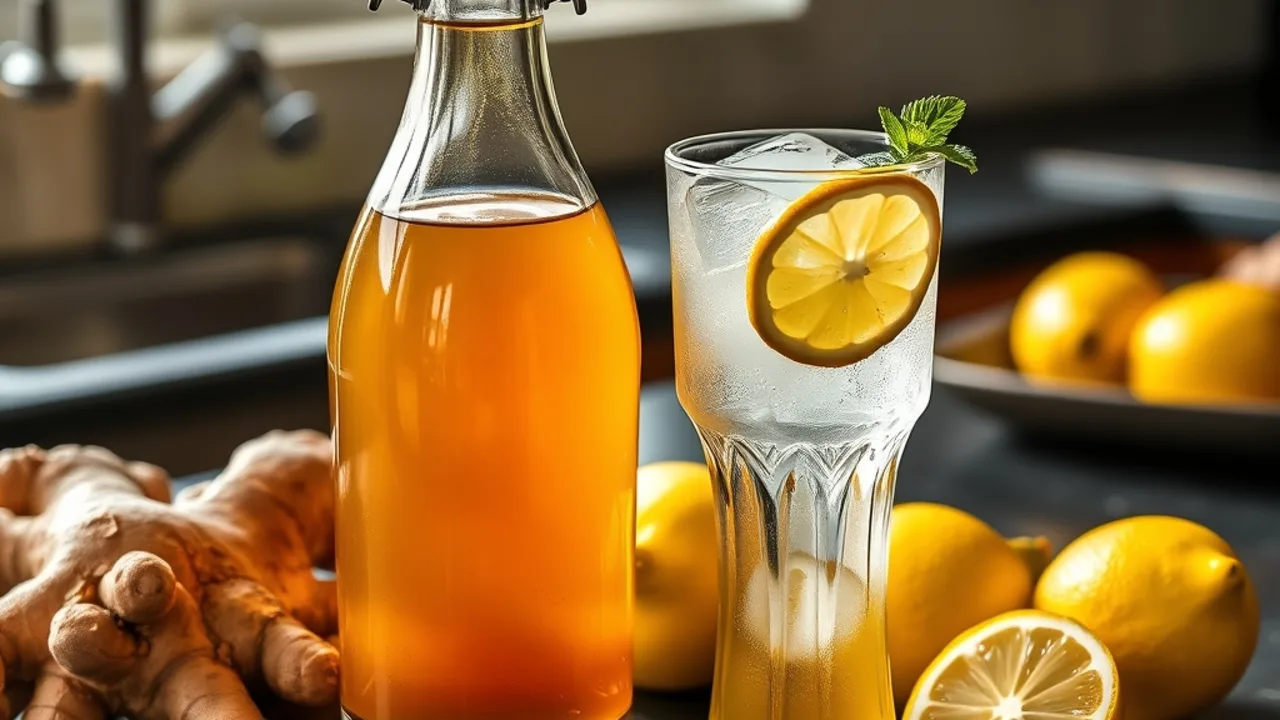
A bottle of fiery, golden syrup in your refrigerator is one of the most versatile beverage staples you can prepare. Crafting a home made ginger cordial gives you total control over the balance between vibrant heat, citrus tang, and gentle sweetness. Unlike standard store-bought mixers filled with synthetic extracts and excess preservatives, a proper handcrafted cordial extracts the natural essential oils and zesty warmth of fresh ginger root.
Whether you enjoy mixing fizzy afternoon spritzers, building complex non-alcoholic drinks, or soothing an upset throat with a steaming cup of tea, this dependable staple delivers deep flavor in every spoonful.
What Is a Ginger Cordial?
In traditional beverage craft, a cordial is a concentrated, fruit- or botanical-infused syrup designed to be diluted with still water, club soda, or hot water before serving. While a basic simple syrup blends equal parts sugar and water, a cordial incorporates an acid component—usually lemon juice, lime juice, or citric acid—to create a preserved, shelf-stable liquid with balanced brightness.
Unlike quick syrups that rely on quick boiling, a great ginger cordial gently macerates fresh ginger or lets it steep over low heat so the volatile aromatic compounds remain distinct and punchy. If you have previously prepared a ginger simple syrup recipe, you will find that a cordial offers greater tartness, longer shelf life, and concentrated botanical complexity.
Ingredients You Will Need
Quality ingredients dictate the depth of heat and fragrance in your cordial. Here is what to gather:
- Fresh ginger root (8 ounces / approx. 225g): Select plump, firm roots with smooth, unwrinkled skin. Organic ginger allows you to leave the peel on after a thorough scrub.
- Water (2 cups / 480ml): Filtered water creates a clean, crystal-clear base.
- Granulated pure cane sugar (1.5 cups / 300g): Cane sugar yields clean sweetness without overpowering the sharp bite of ginger.
- Fresh lemon juice (1/2 cup / 120ml): Strained fresh lemon juice provides the essential acid that balances the spicy profile and preserves freshness.
- Lemon zest (from 1 organic lemon): Cut into wide strips without white pith to lend fragrant citrus oils.
- Whole black peppercorns (optional, 1/2 teaspoon): Lightly crushed to impart subtle peppery warmth.
- Whole cloves (optional, 2 pieces): Adds subtle autumn complexity without masking the root heat.
Step-by-Step Instructions
Making a batch of home made ginger cordial requires minimal hands-on effort and yields about 2.5 cups of versatile syrup.
1. Prepare the Ginger
Rinse your ginger thoroughly under cold water. If using non-organic ginger, scrape off the skin using the edge of a spoon. Finely chop or grate the ginger using a box grater or food processor. Grating exposes maximum surface area, ensuring the gingerol compounds infuse deeply into the syrup.
2. Combine and Simmer
In a medium stainless-steel saucepan, combine the water, granulated cane sugar, and lemon zest strips. Heat over medium-low heat, stirring until the sugar dissolves completely. Add the grated ginger, crushed peppercorns, and cloves if using. Bring the mixture to a very gentle simmer, then reduce heat to the lowest setting. Cover with a lid and let steep gently for 25 to 30 minutes.
3. Steep Off the Heat
Remove the pan from the heat. Allow the ginger mixture to cool uncovered at room temperature for an additional 30 to 45 minutes. This prolonged steep extracts maximum flavor without burning or dulling the botanical notes.
4. Strain and Add Citrus
Pour the steeped mixture through a fine-mesh strainer lined with clean cheesecloth into a glass measuring bowl. Press firmly on the ginger solids using a spatula to express all flavorful liquid. Discard the solids or save them for candied ginger. Stir the fresh lemon juice into the warm strained syrup.
5. Bottle and Chill
Using a funnel, transfer your home made ginger cordial into a sterilized glass swing-top bottle or clean mason jar. Seal tightly and store in the refrigerator. Chill thoroughly before your first pour.
How to Serve Ginger Cordial
Because this cordial is concentrated, a small splash goes a long way. Here are delightful ways to put your batch to good use:
- Crisp Ginger Soda: Combine 2 tablespoons of cordial with 6 to 8 ounces of chilled sparkling mineral water over lots of ice. Stir gently and garnish with fresh mint.
- Soothing Hot Toddy Alternative: Stir 1.5 tablespoons into a mug of hot chamomile or green tea with a lemon wheel for cozy evening warmth. For more warming autumn drinks, browse our easy fall drink recipes.
- Bright Mocktail Accent: Use it as a zesty base in non-alcoholic creations alongside freshly crushed berries and citrus. It pairs seamlessly with ideas from our collection of refreshing low sugar summer mocktails or a tart easy pomegranate mocktail recipe.
- Fruit Marinade & Dressings: Whisk a spoonful into fruit salads or simple vinaigrettes for crunchy green slaws.
Storage and Freshness Tips
Proper storage ensures your cordial retains its vibrant kick without fermenting or crystallizing:
- Refrigeration: Keep your cordial refrigerated in an airtight glass container. It stays fresh and pungent for up to 3 to 4 weeks.
- Sterilization: Rinse bottles in boiling water before filling to prevent premature spoilage. For comprehensive safe home food preservation standards, consult the National Center for Home Food Preservation.
- Freezing: Pour extra cordial into silicone ice cube trays and freeze. Once frozen, store cubes in a freezer bag for up to 6 months. Drop one directly into sparkling water for an instant refreshment.
Frequently Asked Questions
Do I have to peel the ginger before grating?
If your ginger is firm, fresh, and thoroughly scrubbed, peeling is unnecessary because the solids are strained out after steeping. However, removing dry or papery skin ensures a clean, translucent cordial color.
How can I make the cordial spicier?
For extra fiery heat, leave the ginger steeping overnight in the refrigerator before straining. You can also blend raw ginger with water in a high-powered blender and extract fresh ginger juice directly, following safe culinary practices outlined by FoodSafety.gov.
Can I use honey instead of sugar?
Yes, raw honey or mild agave nectar can replace sugar. Because honey possesses a distinct floral aroma, reduce the quantity slightly (use 1 cup of honey for 2 cups of liquid) to prevent it from masking the ginger flavor.


