
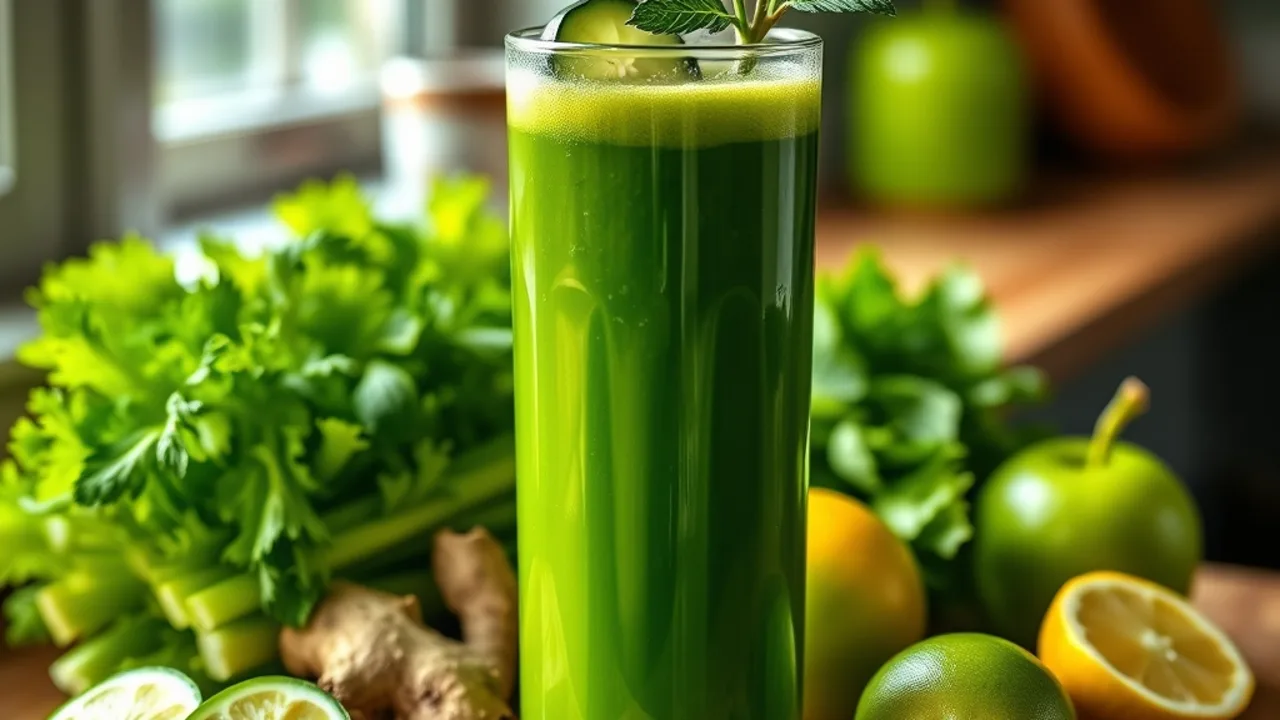
Adding fresh, nutrient-dense beverages to your daily routine is one of the simplest ways to increase your vegetable intake and stay hydrated. When made thoughtfully, home made juices to lose weight offer a refreshing alternative to sugary sodas, sweetened teas, and processed store-bought juices that are often loaded with empty calories and preservatives.
However, successful weight loss relies on maintaining an overall calorie deficit and keeping your blood sugar stable. Drinking pure fruit juice can deliver a quick spike in sugar without the satiety that keeps cravings at bay. By prioritizing low-glycemic vegetables like cucumbers, celery, leafy greens, and lemon, and using whole fruits sparingly for natural flavor, you can craft satisfying sips that support your wellness goals without sabotaging your progress.
How Homemade Juices Support a Healthy Weight Loss Plan
Juicing at home allows you complete control over every ingredient. Bottled commercial juices are typically pasteurized and stripped of delicate micronutrients, often containing added sweeteners to extend shelf life. Preparing fresh produce on your own counter provides distinct benefits:
- Hydration and Satiety: Proper hydration is vital for metabolism. As noted by the Centers for Disease Control and Prevention, swapping high-calorie beverages for water and nutrient-rich, low-calorie drinks is an effective step toward weight management.
- Caloric Density Control: By building recipes primarily on high-water, low-calorie vegetables like cucumber, spinach, and celery, you can drink a generous, satisfying portion that naturally curbs hunger between meals.
- Micronutrient Density: Fresh produce delivers potassium, vitamin C, and potent antioxidants, which help combat systemic inflammation and keep energy levels steady.
If you enjoy wholesome morning beverages, exploring healthy smoothie drinks for weight loss or our companion guide to homemade juice recipes for weight loss will give you plenty of satisfying variety throughout the week.
The Best Ingredients to Use for Weight Loss Juices
To keep calories and natural sugars manageable, focus on balancing your produce. A reliable rule of thumb is an 80/20 vegetable-to-fruit ratio: fill eighty percent of your glass with green and hydrating vegetables, and use the remaining twenty percent for tart fruits, herbs, and roots.
| Produce Category | Top Ingredient Choices | Primary Wellness Benefit |
|---|---|---|
| Hydrating Bases | Cucumber, celery, romaine lettuce | High water volume, very low calories, natural electrolytes |
| Leafy Greens | Baby spinach, kale, Swiss chard | Rich in iron, folate, and gentle plant chlorophyll |
| Zesty Citrus & Herbs | Lemon, lime, fresh mint, parsley | Bright flavor without extra sugar; supports digestion |
| Metabolism Boosters | Fresh ginger root, raw turmeric | Warm spicy flavor, aids gut motility and anti-inflammatory pathways |
| Flavor Balancers | Green tart apple, grapefruit | Low glycemic sweetness that rounds out earthy vegetables |
Incorporating herbs and warming roots makes a huge difference in taste. For example, learning to brew a DIY ginger drink provides a spicy kick that suppresses sweet cravings naturally.
4 Delicious Home Made Juices to Lose Weight
The following recipes require minimal prep and can be made in either a dedicated centrifugal/masticating juicer or a standard high-speed blender paired with a fine mesh strainer or nut milk bag.
1. The Crisp Morning Green Tonic
This invigorating green blend relies on crisp English cucumber and celery to deliver clean, crisp hydration first thing in the morning.
- 1 medium English cucumber, unpeeled
- 3 stalks fresh celery
- 2 cups packed baby spinach
- 1/2 green Granny Smith apple (cored)
- 1/2 fresh lemon (peeled)
- 1/2-inch knob fresh ginger root
Instructions: Wash all ingredients thoroughly under cold running water. Feed the spinach, ginger, lemon, celery, apple, and cucumber sequentially through your juicer. Stir well and pour over ice. For extra botanical benefits that also promote a radiant complexion, see our favorite combinations in homemade juice for glowing skin.
2. Spicy Beet and Carrot Stamina Juice
Earthy beets provide dietary nitrates, which research highlighted by the Harvard T.H. Chan School of Public Health associates with enhanced blood flow and stamina during daily exercise.
- 1 small raw red beetroot (trimmed and scrubbed)
- 2 medium carrots (tops removed)
- 1 cup chopped romaine lettuce
- 1/2 lemon (peeled)
- 1-inch knob fresh ginger root
- A pinch of cayenne pepper (optional garnish)
Instructions: Cut the beet and carrots into chunks that fit your juicer's chute. Process the beet, carrots, ginger, romaine, and lemon. Pour into a tall glass, dust with a tiny pinch of cayenne pepper, and stir thoroughly before serving.
3. Ruby Red Grapefruit and Mint Refresher
Grapefruit contains natural citrus acids that provide a brisk, awakening profile without the high sugar concentration found in classic orange juice.
- 1 medium pink or ruby red grapefruit (peeled, white pith removed)
- 1 medium cucumber
- 1 cup fresh mint leaves
- 2 stalks celery
Instructions: Bundle the mint leaves tightly between the cucumber pieces and feed them through the chute to extract maximum essential oils. Juice the celery and grapefruit segments next. Serve chilled with fresh mint sprigs.
4. Zesty Lemon-Ginger Vegetable Cleanser
If you prefer purely savory profiles that eliminate fruit sugars entirely, this combination works wonderfully as an afternoon pick-me-up.
- 4 stalks celery
- 1 large cucumber
- 1 cup fresh parsley leaves and stems
- 1 whole lemon (peeled)
- 1-inch piece fresh turmeric or ginger
- A dash of ground black pepper
Instructions: Juice the parsley, turmeric, lemon, celery, and cucumber. Stir in a dash of ground black pepper to improve curcumin absorption from the turmeric. If you want more inspiration for garden-fresh savory sips, check out our guide to homemade vegetable juice for weight loss.
How to Make Fresh Juice Without a Juicer
You do not need an expensive countertop appliance to prepare these drinks. A standard blender can produce smooth, clean juice using this simple method:
- Roughly Chop Produce: Cut all vegetables and fruits into 1-inch dice so the blades catch them easily.
- Add Liquid First: Pour 1/4 to 1/2 cup of filtered cold water or coconut water into the bottom of the blender container to help circulate the blades.
- Blend on High: Process on high speed for 60 to 90 seconds until the mixture is completely pureed and uniform.
- Strain the Pulp: Set a fine mesh sieve or cheesecloth over a large glass pitcher. Pour the puree into the strainer, using the back of a silicone spatula to gently press out the liquid. Squeeze the cloth firmly to extract every drop of vibrant juice.
Storage Tips and Shelf Life
Freshly extracted juice begins to oxidize immediately upon contact with air, which slowly diminishes vitamin levels and alters flavor. Keep these storage guidelines in mind:
- Drink Promptly: Consume your juice within 15 to 30 minutes of pressing for maximum crispness and nutritional value.
- Airtight Containers: If you must prep in advance, store juice in an airtight glass mason jar filled to the very brim to minimize headspace and oxygen exposure. Seal with a tight lid and store in the coldest part of your refrigerator for up to 24 hours.
- Freezing Option: You can pour extra fresh juice into silicone freezer trays. Once frozen, transfer the cubes into a freezer bag for up to 2 months. Thaw individual cubes in cold water or drop them directly into cold green teas.
Frequently Asked Questions
Can I replace full meals with homemade juices to lose weight faster?
It is not recommended to use homemade vegetable juices as long-term meal replacements. While they provide vitamins and hydration, juices lack sufficient protein, dietary fiber, and healthy fats necessary to maintain lean muscle mass and stabilize your metabolic rate. Enjoy fresh juices as nutritious accompaniments to balanced, protein-rich meals or as light snacks between them.
Is it better to juice or blend for weight loss?
Both methods offer distinct advantages. Blending preserves all insoluble dietary fiber, promoting greater feelings of fullness and slower digestion. Juicing removes the insoluble roughage, delivering concentrated micronutrients with very low calorie volume and minimal digestive effort. Many people achieve their goals by rotating both: drinking a quick vegetable juice in the afternoon and choosing a fiber-rich smoothie for breakfast.
What is the best time of day to drink vegetable juice?
Drinking fresh green juice in the morning on an empty stomach or roughly 30 minutes before lunch is often preferred. This timing ensures quick absorption of micronutrients and provides early hydration, which naturally prevents overeating at mealtime.


