
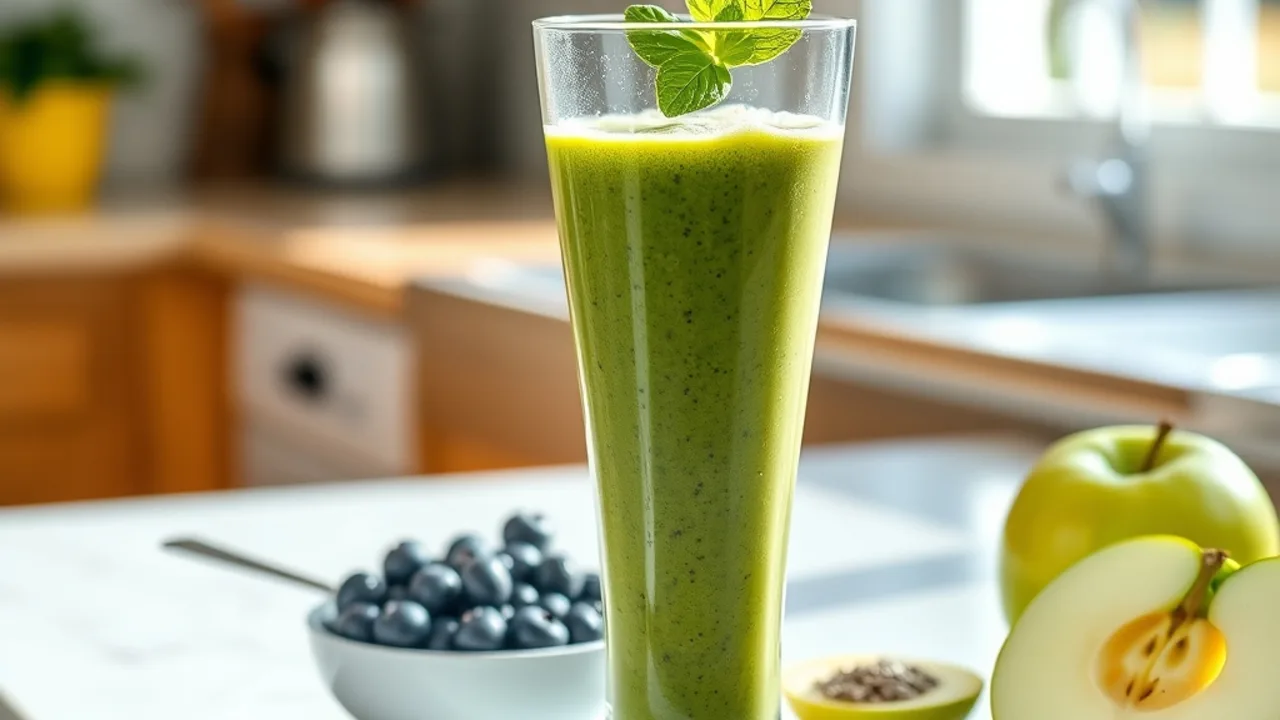
When crafted with intention, smoothie drinks for weight loss can be one of the most convenient ways to fuel your morning or power through a busy afternoon. However, there is a distinct difference between a drink that satisfies your appetite and one that causes a rapid blood sugar spike followed by intense cravings. Many store-bought blends rely heavily on fruit juices, sweetened yogurts, and frozen purees, which turn a seemingly wholesome drink into liquid dessert.
Building an effective weight management smoothie comes down to a simple, dependable formula: combine quality protein, dietary fiber, and healthy fats while keeping added sugars minimal. This balance slows gastric emptying, sustains steady energy levels, and keeps you feeling thoroughly satisfied for hours.
The Core Formula: What Makes a Smoothie Work for Weight Loss?
Drinking your calories without feeling hungry shortly after requires an understanding of satiety mechanics. A well-designed smoothie should mimic the nutritional structure of a balanced whole-food meal. According to nutritional guidelines from the Harvard T.H. Chan School of Public Health, dietary fiber plays a vital role in slowing digestion and improving metabolic regulation.
To build your own balanced blends, keep these four essential pillars in mind:
- Lean Protein (15 to 25 grams): Unsweetened whey, pea protein isolate, plain nonfat Greek yogurt, or low-fat cottage cheese provide essential amino acids that preserve lean muscle mass during a calorie deficit.
- Soluble and Insoluble Fiber (8 to 12 grams): Leafy greens like baby spinach, chia seeds, ground flaxseed, and low-sugar berries add volume and viscosity without excess calories.
- Healthy Fats (5 to 10 grams): A modest portion of avocado, hemp hearts, or unsweetened natural almond butter prevents rapid spikes in blood glucose.
- Unsweetened Liquid Base: Plain water, unsweetened almond milk, coconut water, or chilled green tea provide fluid hydration without unnecessary carbohydrates.
If you are exploring dairy-free kitchen staples, you can also browse our guide on creamy dairy-free smoothies for versatile plant-based ideas.
4 Balanced Smoothie Drink Recipes for Weight Loss
Each of the following recipes makes one hearty serving designed to function either as a quick breakfast or a post-workout recovery meal. Place liquid ingredients in your blender jar first to ensure smooth blending without blade stalls.
1. The High-Fiber Green Metabolic Glow
This crisp, vibrant blend combines leafy greens with refreshing cucumber and tart green apple. It delivers high volume and hydrating electrolytes with minimal caloric density, making it a natural upgrade to a standard green smoothie for beginners.
- 1 cup unsweetened almond milk or water
- 2 packed cups fresh baby spinach
- 1/2 medium Persian cucumber, sliced
- 1/2 small green apple, cored and chopped
- 1 scoop unsweetened plant-based protein powder (vanilla or unflavored)
- 1 tablespoon whole chia seeds
- 1 tablespoon freshly squeezed lemon juice
- 3 to 4 ice cubes
Instructions: Add the liquid base and spinach to the blender first. Blend on high speed for 30 seconds until completely liquefied. Add the cucumber, apple, protein powder, chia seeds, lemon juice, and ice. Blend on high for another 45 to 60 seconds until smooth and silky.
2. Creamy Wild Berry Greek Yogurt Satiator
Berries provide exceptional antioxidant content and abundant prebiotic fiber while maintaining a low glycemic load. Pairing frozen berries with authentic Greek yogurt yields a thick, luscious texture reminiscent of a decadent shake, similar to our favorite healthy strawberry yogurt smoothie.
- 3/4 cup cold water or unsweetened cashew milk
- 3/4 cup plain nonfat Greek yogurt
- 1 cup frozen wild blueberries or mixed berries
- 1 tablespoon ground flaxseed
- 1/4 ripe avocado (about 30 grams)
- 1/4 teaspoon pure vanilla extract
- Pinch of ground cinnamon
Instructions: Combine all ingredients in the blender container. Start at low speed to crush the frozen berries, then ramp up to high for 60 seconds until rich, creamy, and uniform.
3. Iced Mocha Protein Fuel
If you love morning coffee, this recipe combines your caffeine boost with satisfying whole-food nutrition. It satisfies chocolate cravings naturally while keeping added sugars strictly at zero.
- 3/4 cup unsweetened cold brew coffee
- 1/2 cup unsweetened almond milk
- 1 scoop chocolate whey or pea protein powder
- 1 tablespoon unsweetened Dutch-process cocoa powder
- 1 tablespoon hemp seeds
- 1/2 small frozen banana (for natural sweetness and potassium)
- 1 cup ice cubes
Instructions: Pour the cold brew and almond milk into the blender. Add the protein powder, cocoa powder, hemp seeds, frozen banana slice, and ice. Blend thoroughly until frothy and smooth.
4. Tropical Ginger Anti-Inflammatory Crisp
Fresh ginger root adds gentle thermogenic spice and settles digestion, balanced by the bright sweetness of pineapple and coconut water.
- 1 cup pure unsweetened coconut water
- 1 cup baby kale or spinach leaves
- 1/2 cup frozen pineapple chunks
- 1 scoop unflavored collagen peptides or pea protein
- 1/2 teaspoon freshly grated ginger root
- 1 tablespoon whole flaxseed
- Juice of 1/2 fresh lime
Instructions: Place the coconut water, greens, and fresh ginger in the blender jar. Blend until broken down. Add the pineapple, protein, flaxseed, and lime juice. Blend on high until completely incorporated.
Nutritional Comparison of Weight Loss Smoothies
Here is how these four recipes compare in terms of practical dietary balance:
| Recipe Name | Primary Protein Source | Key Fiber Element | Primary Healthy Fat | Ideal Time to Enjoy |
|---|---|---|---|---|
| Green Metabolic Glow | Plant protein isolate | Chia seeds & spinach | Chia seeds | Early morning breakfast |
| Wild Berry Satiator | Plain Greek yogurt | Wild berries & flaxseed | Fresh avocado | Post-workout or lunch |
| Iced Mocha Fuel | Whey or pea protein | Hemp hearts & banana | Hemp hearts | Morning energy kick |
| Tropical Ginger Crisp | Collagen or pea protein | Flaxseed & baby kale | Flaxseed | Mid-afternoon snack |
Common Smoothie Mistakes That Stall Weight Loss
Even with good intentions, certain common blender habits can inadvertently double the calorie count of your morning drink. Understanding portion awareness aligns directly with healthy weight guidance from public health resources like the Centers for Disease Control and Prevention.
- Overloading dried fruit and honey: Dates, maple syrup, honey, and agave are concentrated sugars that raise caloric density rapidly without offering sufficient chew satiety.
- Unmeasured nut butter: While peanut and almond butter provide beneficial monounsaturated fats, pouring directly from the jar can easily add 200 unplanned calories. Measure by the level tablespoon.
- Using fruit juice as a base: Orange juice or sweetened apple juice strips away beneficial fiber, delivering quick fructose that spikes insulin. Always favor water, cold tea, or unsweetened nut milks.
- Drinking too quickly: Because blended drinks bypass mastication, drinking a smoothie in two minutes can bypass your brain's natural fullness signaling. Sip slowly with a straw over 15 to 20 minutes.
Prep, Storage, and Batch Freezing Tips
Consistency is key when working toward health goals. Preparing freezer smoothie packs on the weekend simplifies busy mornings:
- Portion Dry and Frozen Ingredients: Place your frozen berries, sliced greens, chopped fruit, and seeds into reusable silicone freezer bags or glass mason jars.
- Store in the Freezer: Keep your packs frozen for up to 3 months. Avoid adding protein powders or liquids to the freezer bags ahead of time to prevent caking.
- Blend Straight from the Freezer: Dump the pack contents directly into your blender, add your chosen liquid base and protein powder, and blend immediately. There is no need to thaw.
If you prefer eating your smoothie with a spoon, you can also pour these thick blends into a chilled bowl with a sprinkle of roasted pumpkin seeds, similar to our satisfying Greek yogurt smoothie bowl recipe.
Frequently Asked Questions
Can smoothie drinks replace a full meal for weight loss?
Yes, provided they contain adequate protein (at least 15 to 20 grams), dietary fiber, and healthy fats. A drink containing only fruit and water lacks the macronutrients required to sustain satiety and will leave you hungry quickly.
What is the lowest-calorie liquid base for smoothies?
Filtered water and cold brewed green tea contain virtually zero calories. Unsweetened almond milk and unsweetened cashew milk typically range between 25 and 30 calories per cup, providing a creamy texture with negligible sugar.
Should I use fresh or frozen fruit?
Frozen fruit is preferred because it creates a thick, creamy consistency without diluting flavor, eliminating the need for excessive ice cubes. Nutritionally, flash-frozen fruit retains equal or superior vitamin levels compared to fresh produce that has spent days in transit.
How many smoothies can I drink in a day while trying to lose weight?
One well-balanced smoothie per day is typically ideal for most routines, serving as a convenient breakfast or lunch replacement. The remainder of your daily meals should consist of whole, solid foods to support natural digestion and sustained appetite satisfaction.
The Bottom Line
Smoothie drinks for weight loss are a reliable, nutrient-dense tool when built around lean proteins, high-fiber plants, and sensible portions of wholesome fats. For more blender inspiration and simple ingredient ideas, explore our curated collection of easy smoothie recipes to make at home.


