
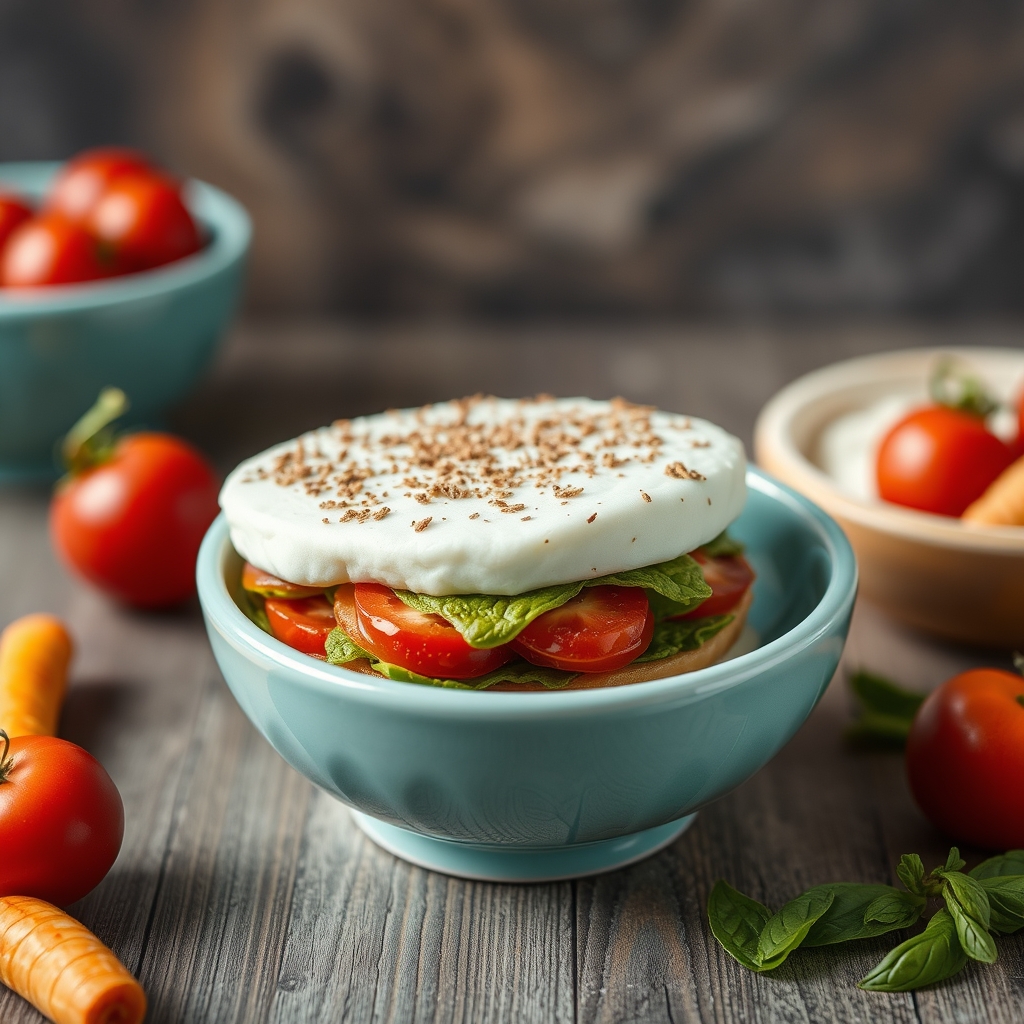
What Exactly is a Dessert? Defining the Sweet Course
The term "dessert" evokes images of delightful sweetness, the perfect conclusion to a meal, and often, a moment of pure indulgence. But what is the precise desserts meaning? At its core, a dessert is typically a sweet course that concludes a meal. It's designed to provide a pleasant contrast to the savory dishes that precede it, offering a final note of satisfaction.
The word "dessert" itself comes from the Old French word "desservir," which means "to clear the table." This etymology perfectly captures its function: it's the course served after the main dishes have been removed. While often associated with sugary confections, the umbrella of desserts is vast, encompassing everything from fresh fruit and cheeses to elaborate pastries and frozen delights.
Beyond its literal definition, the desserts meaning is deeply entwined with culinary tradition, celebration, and pleasure. It signifies a pause, a reward, and often, a shared experience. Whether a simple slice of fruit or a multi-layered cake, dessert serves as a satisfying finale, leaving a lasting impression long after the meal is over.
A Sweet History: The Evolution of Desserts
Understanding the desserts meaning also requires a journey through its rich history. The concept of a sweet ending to a meal is far from new, though its form has evolved dramatically over millennia.
Ancient Origins: Nature's Sweetness
In ancient civilizations, desserts were much simpler, primarily consisting of natural sweets. Dates, figs, and other fruits were highly prized for their natural sugars. Honey, a precious commodity, was used to sweeten various dishes and simple cakes. The Egyptians, for example, enjoyed honey cakes, while the Romans were known for fruit tarts and sweetened cheeses.
Medieval Era: Spices and Preserves
During the Middle Ages, sugar was a luxury, largely imported and extremely expensive. As a result, only the wealthy could afford elaborate sweet dishes. Spices like cinnamon, nutmeg, and cloves, also high-value imports, became common additions, enhancing the flavor of fruit tarts, custards, and various "subtleties" – highly decorative, often symbolic, edible creations served at feasts. Preserved fruits and nuts also played a significant role.
The Renaissance and Beyond: Sugar's Ascendancy
The Age of Exploration brought sugar plantations to the New World, leading to a dramatic increase in sugar production and a decrease in its price. This made sugar more accessible, revolutionizing confectionery. The Renaissance saw the rise of sophisticated pastry chefs, particularly in Italy and later France, who began creating elaborate tortes, marzipan creations, and sweetened creams. Ice cream and sorbet also began to appear in royal courts, initially as novelties.
Industrial Revolution to Modern Era: Democratization of Dessert
The Industrial Revolution further democratized dessert. Mass production of sugar, flour, and other ingredients, along with advancements in baking technology, made it possible for sweet treats to become a daily pleasure for many. Cookbooks gained popularity, disseminating recipes for cakes, cookies, and pies. The 20th and 21st centuries have seen a globalization of desserts, with culinary traditions blending, and new dietary considerations (like gluten-free or vegan options) shaping the sweet landscape. Today, the desserts meaning is more expansive than ever, reflecting diverse palates and innovative techniques.
The Global Tapestry of Desserts: Cultural Interpretations
The desserts meaning varies profoundly across cultures, with each region boasting unique sweet traditions that reflect its history, ingredients, and social customs.
European Classics
- France: Renowned for its elegant pâtisserie, including delicate macarons, rich éclairs, crème brûlée, and the iconic tarte Tatin.
- Italy: Famous for gelato, tiramisu, cannoli, and panettone. Italian desserts often feature coffee, mascarpone, and ricotta cheese.
- Britain: Known for comforting puddings like sticky toffee pudding, trifles, crumbles, and scones served with jam and cream.
- Germany/Austria: Celebrated for elaborate cakes such as Black Forest cake, Sachertorte, and strudels filled with apples or cheese.
Asian Delights
- Japan: Offers mochi (rice cakes), dorayaki (red bean pancakes), and wagashi (traditional confections often served with tea). Textures are often chewy or delicate.
- India: Features intensely sweet and rich desserts like gulab jamun (fried milk solids in syrup), kulfi (dense ice cream), and jalebi (fried spirals soaked in syrup).
- China: Includes tangyuan (sweet glutinous rice balls), mooncakes, and various sweet soups and custards, often incorporating red bean paste or taro.
- Southeast Asia: Mango sticky rice from Thailand, halo-halo from the Philippines (shaved ice with various toppings), and cendol from Malaysia/Indonesia (coconut milk, palm sugar, and jelly noodles) showcase tropical flavors.
American Favorites
The United States boasts a diverse array of desserts, often influenced by European traditions but adapted with local ingredients and preferences. Classics include apple pie, cheesecake, chocolate chip cookies, brownies, and various forms of ice cream. "Comfort food" desserts like cobblers, crisps, and bread puddings are also deeply ingrained in American culinary identity.
Latin American Sweets
Many Latin American desserts are characterized by dulce de leche (caramelized milk), which features prominently in alfajores, flan, and churros. Tres leches cake, arroz con leche (rice pudding), and various fruit-based sweets also reflect the region's rich agricultural heritage.
Middle Eastern & African Traditions
The Middle East is famous for baklava (phyllo pastry with nuts and syrup), halva (dense sweet confection), and kanafeh (cheese pastry soaked in syrup). African desserts vary widely, from fruit-based dishes to specific regional specialties like malva pudding from South Africa or mandazi (fried donuts) from East Africa.
Common Characteristics and Ingredients of Desserts
While the forms and flavors of desserts are incredibly diverse, they share several common characteristics and rely on a core set of ingredients that define the desserts meaning.
Sweetness: The Defining Trait
The most obvious characteristic of any dessert is its sweetness. This is typically achieved through:
- Sugars: Granulated sugar, brown sugar, powdered sugar, caster sugar.
- Natural Sweeteners: Honey, maple syrup, agave nectar, molasses.
- Fruits: Many fruits provide natural sweetness and are often the sole sweetener in healthier desserts.
Texture: A Symphony of Sensations
Texture is paramount in dessert appreciation. A great dessert often offers a interplay of different textures:
- Creamy/Smooth: Custards, mousses, ice creams, puddings.
- Crunchy/Crisp: Cookies, brittle, nuts, streusel toppings, phyllo pastry.
- Chewy: Gummy candies, some cookies, mochi.
- Light/Airy: Soufflés, meringues, whipped creams.
- Moist: Cakes, brownies, fruit tarts.
Key Ingredients: The Building Blocks
Most traditional desserts utilize a combination of the following:
- Flour: Provides structure in cakes, cookies, and pastries. (e.g., all-purpose, cake, pastry flour).
- Fats: Butter, oil, shortening, cream cheese contribute richness, moisture, and tenderness.
- Eggs: Act as binders, leavening agents, and emulsifiers, adding richness and structure.
- Dairy: Milk, cream, yogurt, buttermilk, and various cheeses provide moisture, flavor, and creaminess.
- Leavening Agents: Baking soda, baking powder, and yeast create light and airy textures.
- Flavorings: Vanilla extract, chocolate, cocoa powder, coffee, spices (cinnamon, nutmeg), citrus zests, and various extracts define the taste profile.
- Fruits and Nuts: Add natural sweetness, texture, and often a refreshing element.
Types and Categories of Desserts
To fully grasp the desserts meaning, it's helpful to categorize the vast array of sweet treats available. While some desserts blur lines, here are common classifications:
Cakes and Cupcakes
These are baked goods made from a batter, often featuring flour, sugar, eggs, and fat. They can range from light and airy sponge cakes to dense, rich pound cakes. Cupcakes are simply individual-sized cakes, often elaborately decorated.
Pastries and Pies
Pastries involve a dough (shortcrust, puff, choux, phyllo) that is often layered or shaped and filled. Pies and tarts fall into this category, featuring a crust filled with fruit, custard, or cream. Examples include croissants, éclairs, fruit tarts, and apple pies.
Custards and Puddings
These are typically smooth, creamy desserts often thickened with eggs, starch, or gelatin. They can be baked (crème brûlée, flan), steamed (sticky toffee pudding), or stovetop-cooked (rice pudding, chocolate pudding). They are known for their luxurious, melt-in-your-mouth texture.
Frozen Desserts
The ultimate refreshing treats, frozen desserts include ice cream, sorbet, gelato, granita, and frozen yogurt. They vary in fat content and texture, offering a cool, sweet escape.
Cookies and Bars
Cookies are small, flat, baked treats, while bars are typically baked in a pan and then cut into squares or rectangles. This category includes chocolate chip cookies, shortbread, brownies, blondies, and oatmeal raisin cookies.
Candies and Confections
These are sweets primarily made from sugar, often combined with other ingredients like chocolate, nuts, or fruit. Examples include caramels, fudge, truffles, marshmallows, and various hard candies.
Fruit-Based Desserts
Often perceived as healthier options, these desserts highlight the natural sweetness and freshness of fruit. They can be simple (a bowl of berries) or more elaborate (fruit crisps, crumbles, baked apples, fruit salads, compotes).
The Psychology and Role of Desserts in Our Lives
The desserts meaning extends beyond mere sustenance; it taps into our emotions, memories, and social interactions. Desserts play a unique psychological and social role in human culture.
Indulgence and Celebration
Desserts are inherently linked to celebration. Birthdays, holidays, weddings, and anniversaries are almost always marked by a special sweet treat, be it a towering cake or an exquisite pastry. They symbolize joy, abundance, and the act of treating oneself and others. The act of sharing a dessert often enhances the feeling of togetherness.
Comfort and Nostalgia
For many, certain desserts are deeply tied to childhood memories or specific moments of comfort. A warm apple pie might remind one of grandmother's kitchen, or a scoop of ice cream might evoke summer days. Desserts can provide emotional solace, offering a momentary escape and a sense of familiarity.
Sensory Experience and Reward
Desserts engage multiple senses: the visual appeal of intricate decorations, the enticing aroma of freshly baked goods, the diverse textures, and, of course, the taste. The sweetness activates reward pathways in the brain, creating a pleasurable experience. This makes dessert a highly anticipated part of a meal, offering a satisfying conclusion.
Social Bonding
Sharing dessert is a social act. Whether it's a platter of cookies for guests, a cake for a party, or simply sharing a piece of pie with a loved one, desserts facilitate connection and conversation. They are often a centerpiece for gatherings and a way to show care and hospitality.
Desserts and Drinks: A Perfect Pairing with Amour Drink
Just as a savory dish finds its ideal beverage companion, so too does dessert. The right drink can elevate the flavors of a dessert, creating a harmonious and unforgettable experience. At Amour Drink, we believe in the magic of such pairings, offering a range of beverages that perfectly complement the vast world of sweets.
Coffee and Dessert: A Timeless Classic
Coffee, especially rich, aromatic coffee, is a quintessential dessert companion. Its bitterness and depth can cut through the richness of a chocolate cake, enhance the notes in a tiramisu, or provide a robust counterpoint to a creamy cheesecake. Our Iced Coffee and Lattes offer versatile options:
- A classic iced latte can be a cooling contrast to a warm brownie.
- A strong, unsweetened coffee can balance the intense sweetness of a baklava.
- A flavored latte, like vanilla or caramel, might echo similar notes in a pastry, creating a layered flavor profile.
Mocktails and Dessert: Refreshing Combinations
For those preferring non-alcoholic options, Mocktails provide a refreshing and vibrant pairing. Their often fruity, tangy, or herbal notes can beautifully complement various desserts:
- A sparkling berry mocktail can be a light and zesty partner to a fruit tart or a simple sorbet.
- A mint-infused mocktail can cleanse the palate after a rich chocolate mousse.
- A mocktail with citrus notes can brighten a creamy panna cotta.
Smoothies and Dessert: Healthy Indulgence
When the dessert meaning leans towards healthier indulgence, Smoothies can step in. While often a meal in themselves, certain smoothie profiles can serve as a lighter, fruit-forward dessert or a delicious accompaniment:
- A tropical fruit smoothie can enhance the flavors of a light coconut cake or fresh fruit platter.
- A chocolate banana smoothie can serve as a healthier "dessert" itself or pair with a simple vanilla cookie.
Exploring the interplay between the delightful world of desserts and the refreshing realm of Amour Drink beverages truly enhances the entire dining experience, transforming a simple meal into a memorable feast for the senses.
Frequently Asked Questions About Desserts
Q1: What is the main difference between dessert and pudding?
The term "dessert" is a broad category encompassing all sweet dishes served at the end of a meal. "Pudding," on the other hand, is a specific type of dessert. Puddings are typically soft, creamy, and often thickened with starch or eggs, like chocolate pudding or rice pudding. In British English, "pudding" can also be a generic term for any sweet course that follows the main meal, making the distinction context-dependent.
Q2: Are all sweet foods considered desserts?
Not necessarily. While desserts are sweet, not every sweet food is classified as a dessert. For example, sweetened breakfast items like pancakes or pastries eaten with coffee are sweet but not typically considered "desserts" in the traditional sense, as they are not served as the final course of a meal. The key aspect of the desserts meaning is its placement as the concluding sweet course.
Q3: Can savory dishes be desserts?
Traditionally, no. The desserts meaning inherently implies a sweet profile. However, some cuisines feature "sweet-savory" dishes that blur the lines, or serve cheese courses as a final course. While a cheese board is served at the end of a meal, it's typically referred to as a "cheese course" rather than a "dessert," though it fulfills a similar role as a palate cleanser or rich finish.
Q4: What is considered a "healthy" dessert?
A "healthy" dessert typically focuses on natural sugars from fruits, incorporates whole grains, healthy fats (like those from nuts or avocados), and limits refined sugars and excessive saturated fats. Examples include fresh fruit salads, baked apples with cinnamon, Greek yogurt parfaits, or smoothies made primarily with whole fruits and vegetables. The key is balance and moderation.
Q5: When is dessert typically eaten?
Dessert is traditionally eaten after the main course of lunch or dinner. It serves as the final course, offering a sweet conclusion to the meal. While people enjoy sweet treats at other times of the day (like pastries for breakfast or a snack), only those consumed as the concluding course are formally considered "desserts."
Conclusion: The Enduring Allure of Dessert
The desserts meaning is far richer and more complex than a simple definition might suggest. It represents not just a sweet dish, but a culinary tradition that spans continents and centuries, evolving from simple natural sugars to the elaborate confections we enjoy today. Desserts are deeply woven into the fabric of human culture, serving as symbols of celebration, sources of comfort, and catalysts for social connection. Whether you prefer the elegant simplicity of fresh fruit, the indulgent richness of a chocolate cake, or the refreshing chill of an iced coffee paired with a delicate pastry, the final sweet course remains an enduring and cherished part of the dining experience, leaving us with a satisfying taste and a sense of delight.


