
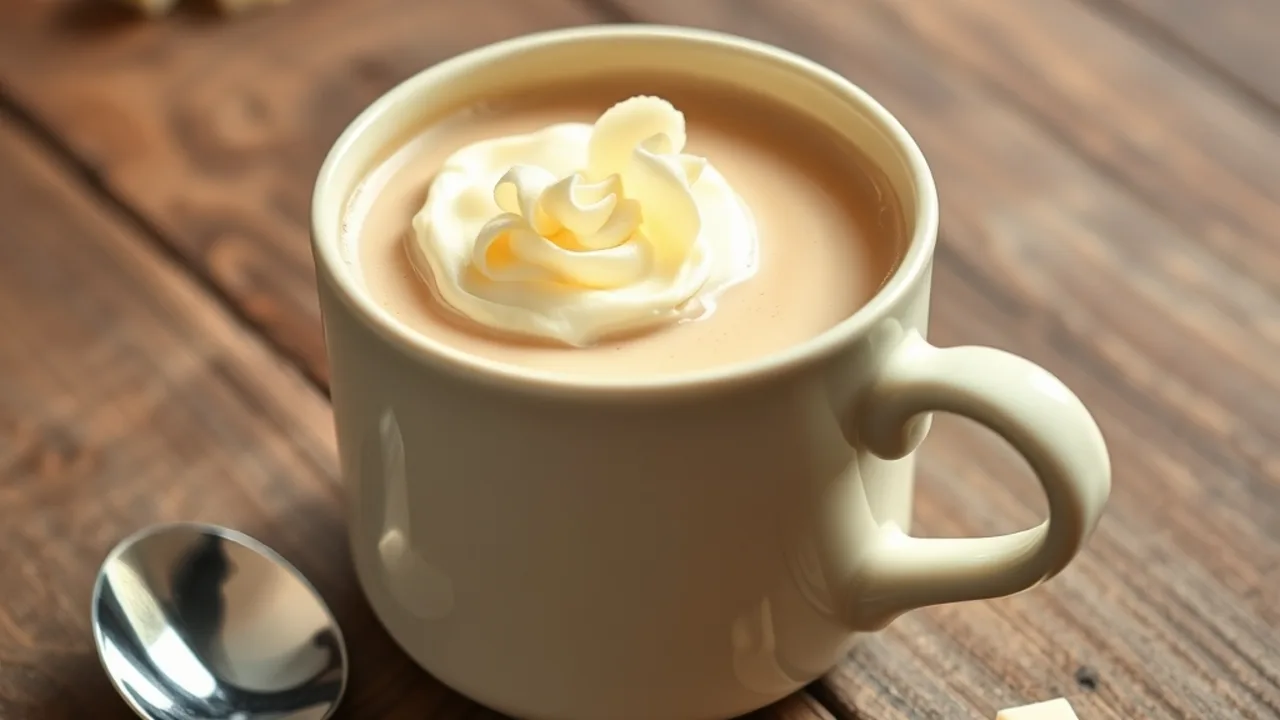
True white drinking chocolate is entirely different from the standard sugary powdered drink packets lining supermarket shelves. While grocery powders rely primarily on dry milk solids, artificial vanilla flavoring, and corn syrup solids, authentic European-style drinking chocolate is made by gently melting high-grade white chocolate bars directly into steaming milk and cream. The result is a luxurious, velvety beverage boasting rich notes of real cocoa butter, warm dairy sweetness, and pure vanilla bean.
Whether you want a cozy winter warmer, an elegant dessert sip, or a silky canvas for specialty infusions, mastering this drink requires understanding the delicate chemistry of white chocolate. Unlike bitter or dark chocolate, white chocolate contains delicate cocoa butter that scorches easily under high heat. In this guide, you will learn how to select the right chocolate, balance dairy ratios, avoid common texture pitfalls, and whip up a cafe-level cup in under ten minutes.
White Drinking Chocolate vs. Powdered White Hot Chocolate
Many people use the terms interchangeably, but traditional hot chocolate and sipping chocolate differ in both formulation and mouthfeel. Hot cocoa powder dissolves in liquid to create a light, sweet beverage. Drinking chocolate, closely rooted in French chocolat chaud and Italian cioccolata calda traditions, melts solid chocolate directly into hot dairy.
If you enjoy full-bodied chocolate beverages like our rich dark drinking chocolate recipe, you already understand how melting solid cocoa transforms mouthfeel. With white chocolate, the dominant flavor comes from cocoa butter rather than nonfat cocoa solids. Choosing solid bars over synthetic drink mixes gives your beverage a buttery, coating viscosity that coats the palate smoothly without leaving a grainy or cloying residue.
Choosing the Right White Chocolate
The single most important decision in this recipe is your choice of white chocolate. Not all products sold in baking aisles qualify as real chocolate. Budget baking chips frequently replace cocoa butter with hydrogenated vegetable oils or palm kernel oil. These substitutes, often labeled "vanilla flavored baking chips" or "confectionery coating," do not melt cleanly and leave a greasy film in hot drinks.
According to the U.S. FDA standard of identity for white chocolate, genuine white chocolate must contain at least 20 percent cocoa butter, 14 percent total milk solids, and no more than 55 percent nutritive carbohydrate sweetener. Always read the ingredient panel before starting: cocoa butter must be prominently listed. Brands such as Valrhona (Ivoire or Opalys), Guittard, Callebaut, and Lindt deliver clean melting properties, subtle dairy notes, and balanced sweetness.
Key Ingredients and Proportions
Because authentic white chocolate is naturally sweet and loaded with cocoa fat, pairing it solely with heavy cream can make the drink overwhelmingly rich. Balancing whole milk with a splash of cream produces the classic European texture without feeling heavy.
- Real White Chocolate (4 oz / 115g): Finely chopped from a high-quality bar containing pure cocoa butter.
- Whole Milk (1 cup / 240ml): Provides the essential liquid base while contributing natural dairy richness.
- Heavy Cream (1/4 cup / 60ml): Adds silkiness and body to prevent the drink from separating.
- Pure Vanilla Extract or Vanilla Bean Paste (1/2 tsp): Balances the buttery flavor profile with floral warmth.
- Fine Sea Salt (A tiny pinch): An indispensable secret ingredient that cuts through the sugar and accentuates the floral cocoa notes.
Step-by-Step Instructions
White chocolate has a lower melting point than dark chocolate, making gentle temperature control critical. Follow these simple steps for a smooth, homogenous emulsion:
- Chop the chocolate finely: Use a sharp chef knife to chop the white chocolate bar into small, uniform flakes. Smaller pieces melt uniformly upon contact with warm milk, preventing uneven heating.
- Warm the dairy base: Combine the whole milk and heavy cream in a small, heavy-bottomed saucepan over medium-low heat. Heat the mixture until it begins to steam and tiny bubbles form along the interior edges (roughly 160°F to 170°F / 71°C to 77°C). Do not let the milk reach a rolling boil.
- Combine and rest: Remove the saucepan from the stove. Add the chopped white chocolate, vanilla, and pinch of fine salt. Swirl the pan once to submerge all chocolate beneath the warm liquid, then let it sit undisturbed for 60 seconds to allow the cocoa butter to soften naturally.
- Whisk into a silky emulsion: Using a small balloon whisk, begin stirring from the center outward in small circular motions until the chocolate dissolves completely and binds with the milk.
- Serve warm: Pour into pre-warmed ceramic mugs or espresso cups. Top with fresh unsweetened whipped cream or finely grated chocolate curls.
For related entertaining ideas and chocolate drink gift projects, explore our guide on easy hot chocolate stirrers.
Common Mistakes and How to Avoid Them
Melting white chocolate can occasionally present technical hurdles due to its high sugar and delicate dairy fat content. Food science techniques detailed in reliable culinary guides like Serious Eats on melting chocolate safely highlight the importance of moisture control and moderate heat. Here is how to navigate potential issues:
1. The Chocolate Seized or Became Grainy
Cause: The milk was boiling hot when added, scorching the delicate milk solids and cocoa fats in the chocolate, or a small drop of cold water entered the chocolate before melting.
Solution: Keep your heat moderate. If your mixture looks split or grainy, take the saucepan off the burner, add one tablespoon of cold whole milk or warm water, and vigorously whisk or blend with an immersion blender for 15 seconds to pull the emulsion back together.
2. The Drink Feels Too Sweet
Cause: White chocolate lacks bitter roasted cocoa mass, meaning sugar concentrations are naturally higher.
Solution: Never skip the pinch of salt. Additionally, you can add a quarter-teaspoon of fresh orange zest, a dash of ground cardamom, or a teaspoon of espresso powder to counter the sweetness with aromatic depth.
Flavor Variations and Creative Twists
Because high-grade white chocolate provides a neutral, buttery canvas, it pairs effortlessly with botanical, spiced, and fruit infusions:
- Matcha Fusion: Whisk 1 teaspoon of sifted ceremonial green tea powder into the finished drink for a bright, earthy profile inspired by our creamy white chocolate matcha latte.
- Toasted Campfire Style: Garnish your mug with toasted miniature marshmallows and graham cracker crumbs, similar to our favorite decadent s'mores hot chocolate recipe.
- Spiced Holiday Warmer: Steep a cracked cinnamon stick and a slice of fresh ginger in the warming dairy for five minutes before straining over your chocolate, a technique shared in our decadent gingerbread hot chocolate.
- Lavender Vanilla: Steep 1/2 teaspoon of culinary dried lavender buds in warm milk for four minutes, strain through a fine mesh sieve, and whisk into the chocolate.
Serving Suggestions and Storage
Because European drinking chocolate is richer than common breakfast cocoa, it is best enjoyed in smaller 4-to-6-ounce portions alongside crisp, unglazed biscuits or fresh raspberries to cut the butterfat.
Make-Ahead & Reheating: You can prepare a larger batch ahead of time and store it in an airtight glass container in the refrigerator for up to 3 days. When reheating, pour into a saucepan over low heat, whisking constantly until steaming. Avoid microwaving on high heat, which can separate the cocoa butter.
Frequently Asked Questions
Can I make this dairy-free or vegan?
Yes. Look for dairy-free white chocolate bars formulated with cocoa butter, rice syrup powder, or oat milk solids. Replace the dairy milk and cream with barista-style oat milk and canned full-fat coconut milk in equal proportions. Oat milk provides an exceptionally smooth body that supports cocoa butter well.
Can I use white chocolate chips instead of a bar?
You can use white chocolate chips only if the ingredient list explicitly states cocoa butter. Many commercial baking chips contain stabilizers designed to hold their shape in the oven, which prevents them from emulsifying smoothly into hot liquid. Chopped chocolate bars or professional couverture callets always yield superior results.
Is white drinking chocolate high in caffeine?
No. White chocolate is made from cocoa butter, which contains virtually zero cocoa solids (the component containing caffeine and theobromine). White drinking chocolate is naturally caffeine-free, making it an ideal comforting beverage for evening sipping or for children.


