
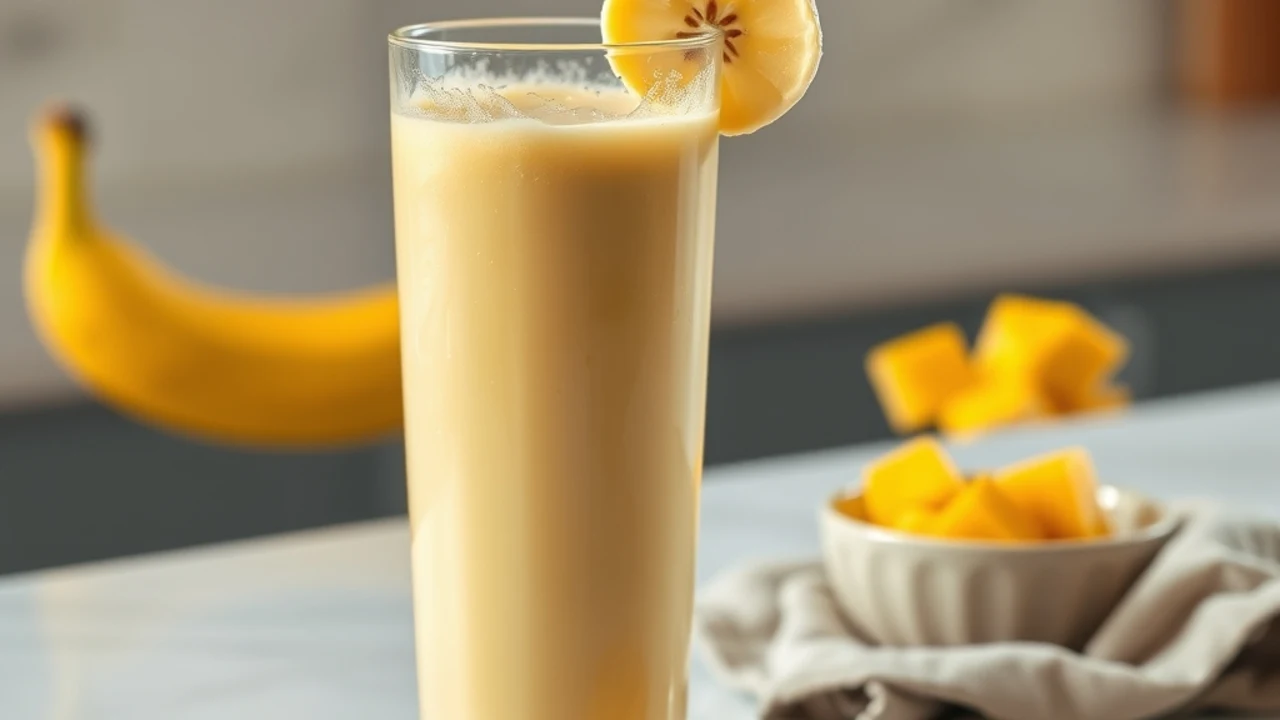
Blending banana and mango together creates one of the creamiest, naturally sweet combinations you can make in your kitchen. Whether you want a refreshing breakfast drink or a quick afternoon snack, these two tropical fruits balance each other seamlessly without needing any added refined sugar.
Quick Answer: Combining mango and banana together gives you a velvety, tropical drink packed with dietary fiber, vitamin C, potassium, and natural carbohydrates. Blend one ripe banana, one cup of frozen mango chunks, and one cup of your favorite milk or plant-based liquid for an easy two-minute treat that supports steady daily energy.
In This Article
Why Mango and Banana Work So Well Together
Pairing mango and banana together is a classic kitchen favorite for good reason. Bananas provide a dense, creamy texture that mimics ice cream when frozen, mellowing out tart flavors. Meanwhile, ripe mangoes deliver a bright, juicy tang and floral aroma that keeps the drink light and refreshing.
Because both fruits carry plenty of natural sweetness, you never need honey, maple syrup, or sugar to make the blend taste incredible. If you enjoy making our best fruit smoothie recipe, you already know that fruit pairings with contrasting textures create the thickest, smoothest sips.
Mango and Banana Benefits and Nutrition Facts
Understanding banana mango nutrition helps you see why this duo fits so nicely into a wholesome routine. Both fruits bring unique micronutrients to your glass that complement each other naturally.
According to the USDA FoodData Central, bananas are an excellent source of vitamin B6, potassium, and prebiotic dietary fiber. At the same time, mangoes supply an impressive dose of immune-supporting vitamin C, provitamin A (beta-carotene), and protective plant antioxidants.
Key mango and banana benefits include:
- Smooth Digestion: Both fruits supply soluble and insoluble fiber, which supports healthy digestion and regular gut motility.
- Immune Defense: A single cup of sliced mango provides most of your daily recommended vitamin C intake.
- Electrolyte Balance: Bananas offer potassium, a vital mineral that helps maintain healthy fluid balance and normal blood pressure levels, as noted by the Centers for Disease Control and Prevention.
- Sustained Morning Energy: The blend of natural fruit sugars and complex carbohydrates digests steadily, preventing sudden energy dips.
A Look at Mango and Banana Calories
How many calories are in this combination? A medium banana contains roughly 105 calories, while one cup of diced mango contains about 99 calories. Together, the fruit base provides approximately 200 to 210 calories before adding any liquid or mix-ins.
Choosing unsweetened almond milk adds just 30 calories, keeping the total drink around 240 calories. Using whole cow's milk or Greek yogurt brings the total closer to 320 to 360 calories while boosting satisfying protein.
How to Make a Mango and Banana Smoothie with Milk
Making a classic mango and banana smoothie with milk requires only three core ingredients and less than five minutes of your time. Using at least one frozen fruit element ensures a frosty, velvety drink without watering it down with plain ice cubes.
| Ingredient | Quantity | Notes |
|---|---|---|
| Ripe Banana | 1 medium | Fresh or sliced frozen |
| Mango Chunks | 1 cup (about 150g) | Frozen mango gives the best thick texture |
| Milk of Choice | 1 cup (240ml) | Dairy milk, oat milk, or almond milk |
| Lime Juice (Optional) | 1 teaspoon | Brightens the mango flavor nicely |
Step-by-Step Instructions
- Add the liquid first: Pour one cup of milk into the bottom of your blender pitcher. Putting liquid in first helps the blades spin freely without catching.
- Add the fruit: Drop in the peeled banana and frozen mango chunks. Add a tiny squeeze of fresh lime juice if you like extra brightness.
- Blend until creamy: Start on low speed for 15 seconds to break down large chunks, then turn the blender to high for 45 to 60 seconds. Stop when the texture looks completely silky and uniform.
- Check the consistency: If you prefer a thinner drink, splash in two extra tablespoons of milk and pulse. For a thicker spoonable bowl, add two extra frozen mango chunks.
- Pour and serve: Pour immediately into a chilled glass and enjoy fresh.
For an extra protein boost, you can also blend in two large spoonfuls of plain yogurt, similar to the method in our Greek yogurt smoothie recipe.
Adjusting for Weight Loss vs. Weight Gain
One wonderful quality of this tropical smoothie is its versatility. You can easily modify the base recipe to support your specific personal wellness goals.
Mango Banana Smoothie for Weight Loss
When crafting a mango banana smoothie for weight loss, the goal is keeping calorie density moderate while maximizing fiber, water volume, and protein to keep hunger away for hours. Learn more in our calorie smoothie guide on smart ingredient adjustments.
- Use unsweetened almond milk, light coconut water, or cold water as your liquid base.
- Add a handful of baby spinach or riced cauliflower; both blend seamlessly without changing the tropical flavor.
- Include one scoop of unflavored plant protein or two tablespoons of non-fat Greek yogurt to support muscle retention and satiety.
- Skip fruit juices, sweeteners, and nut butters to keep total calories around 220 to 260.
Mango Banana Smoothie for Weight Gain
If you need a nutrient-dense mango banana smoothie for weight gain or athletic muscle recovery, you can pack in wholesome calories without making the drink feel uncomfortably heavy.
- Swap low-calorie liquids for whole dairy milk, canned coconut milk, or creamy oat milk.
- Add two tablespoons of creamy peanut butter or almond butter for wholesome fats and protein.
- Toss in two tablespoons of hemp hearts, chia seeds, or rolled oats for slow-burning carbs and healthy omegas.
- Add your favorite vanilla whey or plant protein powder to mirror our rich banana protein shakes.
Shopping Tips and Banana Mango Price Guide
Eating well does not have to strain your weekly grocery budget. Keeping an eye on your local banana mango price helps you save money while stocking up on top-quality fruit.
Bananas remain one of the most budget-friendly foods in the supermarket, usually costing between $0.50 and $0.70 per pound year-round in the United States. Buy green-tipped bananas so they ripen gradually over several days. When they develop brown spots, peel them, chop them into coins, and freeze them in a reusable silicone bag.
Fresh mango prices fluctuate depending on the season, commonly ranging from $1.00 to $2.50 per fruit. When fresh mangoes are out of season or expensive, check the freezer aisle. Large bags of frozen mango chunks are typically picked at peak ripeness, cost less per ounce, and eliminate the hassle of peeling and slicing around the large pit.
Creative Flavor Variations to Try
Once you master the basic mango and banana smoothie, feel free to experiment with delicious kitchen add-ins:
- Creamy Green Tropical: Blend in one cup of fresh spinach and a slice of ripe avocado for healthy fats, just like in our popular avocado smoothie mango recipe.
- Ginger Turmeric Boost: Add a quarter-teaspoon of freshly grated ginger and a pinch of ground turmeric for a warm, zesty kick that cuts through the sweet fruit.
- Strawberry Mango Sunrise: Replace half of the mango with frozen sliced strawberries for a vibrant pink-orange hue and bright berry tartness.
- Toasted Coconut Island Sip: Blend with light coconut milk and top your finished glass with a sprinkle of toasted unsweetened coconut flakes.
Frequently Asked Questions
Can I make this smoothie ahead of time?
This smoothie tastes best immediately after blending because the texture is frosty and airy. However, you can store leftovers in an airtight glass mason jar in the refrigerator for up to 24 hours. Give it a vigorous shake or quick stir before drinking, as natural separation can occur.
Is it better to use fresh or frozen mango?
Frozen mango is generally better for smoothies because it chills and thickens the drink without diluting the flavor like regular ice cubes would. If you only have fresh mango, freeze your banana first or add three to four ice cubes during blending.
Can I make this drink completely dairy-free?
Yes, simply use your favorite plant-based milk. Unsweetened almond milk, oat milk, soy milk, and light coconut milk all pair beautifully with mango and banana without overpowering the fruit flavors.
Does blending banana destroy its nutrients?
No, blending fruit does not destroy its vitamins, minerals, or dietary fiber. While blending breaks down insoluble fiber physically, your digestive system still absorbs all the valuable micronutrients and prebiotics just as it would from whole fruit.
Final Thoughts
Pairing banana and mango gives you a refreshing, nutrient-rich beverage that feels like a tropical vacation in a glass. With wholesome fiber, generous vitamin C, and endless ways to customize calories for your personal lifestyle, it quickly becomes an everyday staple. Grab your blender, slice up some fruit, and treat yourself to a frosty glass today.
Looking for more easy morning inspiration? You might also like reading our guide on drinking a smoothie for breakfast daily and checking out our collection of the best smoothies to make at home.


