
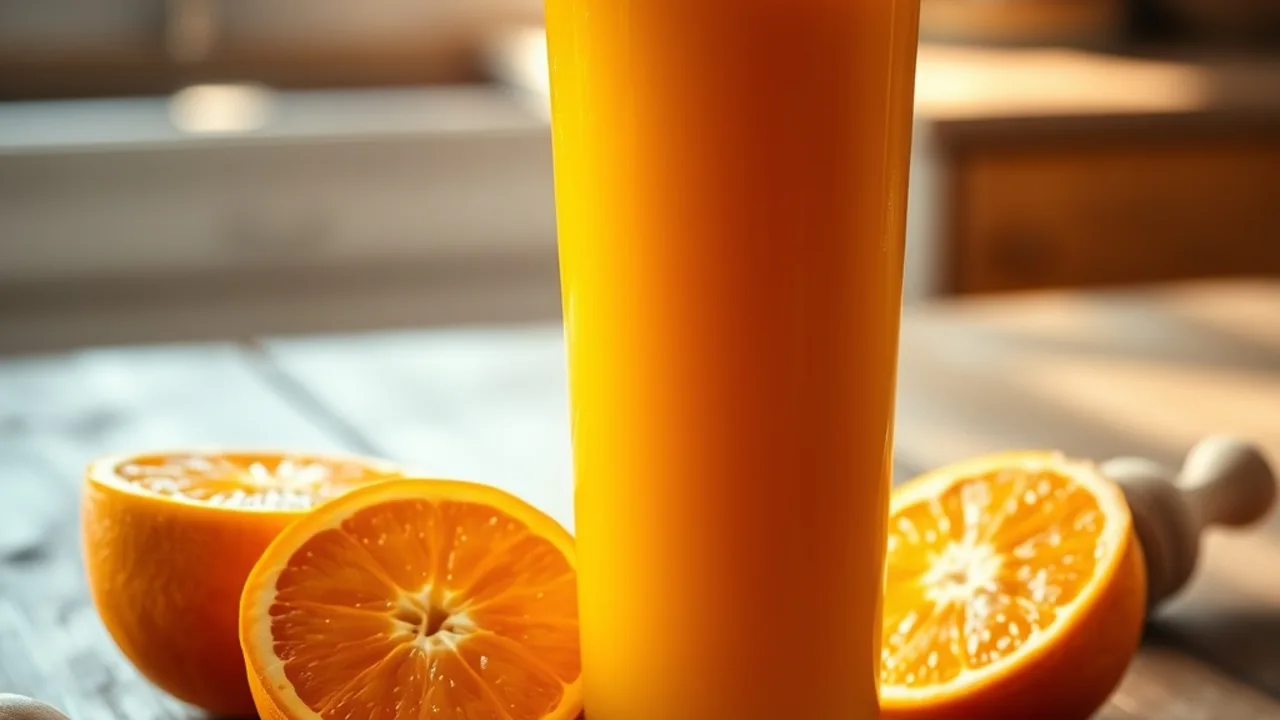
A fresh homemade orange juice recipe is one of the easiest kitchen upgrades you can make. Nothing from a store carton matches the sweet, bright aroma and crisp citrus flavor of freshly pressed oranges. In just 10 minutes, you can turn a handful of whole citrus fruits into a clean, golden morning drink using simple kitchen tools you already have.
Quick Answer: To make homemade orange juice, wash and roll 4 to 6 sweet oranges on the counter to loosen the juices. Slice each fruit in half across the equator, squeeze the juice using a manual citrus reamer or press, and strain out seeds or excess pulp through a fine mesh sieve. Serve chilled over ice immediately for peak sweetness and vitamin content.
In This Article
- The Best Oranges to Pick for Juicing
- Equipment: Citrus Press vs. Blender
- Ingredients and Expected Yield
- Step-by-Step Juicing Instructions
- How to Make Orange Juice in a Blender
- Tips to Get the Most Juice from Every Orange
- How Long Does Fresh Orange Juice Last?
- Quick Homemade Orange Juice Recipe Card
- Frequently Asked Questions
The Best Oranges to Pick for Juicing
Not all oranges behave the same way under pressure. Picking the right citrus variety makes a huge difference in how much juice you collect and how naturally sweet it tastes.
- Valencia Oranges: These are widely considered the gold standard for juicing. They have thin skins, very few seeds, and pack an incredible amount of sweet, balanced juice that stays stable without turning bitter quickly.
- Navel Oranges: Widely available year-round, Navel oranges are naturally very sweet and easy to peel. However, they contain a compound called limonin in their flesh. When exposed to air, limonin can cause the juice to turn slightly bitter after a few hours, so drink Navel juice immediately after squeezing.
- Cara Cara Oranges: A type of red navel orange, Cara Cara citrus has low acidity, sweet berry notes, and a gorgeous pinkish-orange hue.
- Blood Oranges: If you want a dramatic deep crimson color with a tart, raspberry-like edge, mix in one or two blood oranges.
For the best overall morning glass, many cooks blend two varieties together, such as Valencia for juice volume and Cara Cara for deep floral sweetness. If you enjoy planning morning beverage lineups, explore our guide to the best juices to drink in the morning to find more energizing flavor pairings.
Equipment: Citrus Press vs. Blender
You do not need an expensive electric masticating juicer to make citrus juice at home. Depending on what you have in your cupboards, you can choose between two straightforward methods:
- Handheld Citrus Squeezer or Reamer: A simple wooden reamer or handheld metal hinge press works fast for one or two glasses. It extracts pure juice without pressing the bitter white pith.
- Countertop Citrus Juicer: If you make juice for the whole family on weekends, an inexpensive electric citrus cone spins automatically to extract liquid in seconds with zero hand fatigue.
- Standard Blender: If you do not have any citrus press, you can peel the fruit completely, remove the bitter white pith, blend the flesh with a tiny splash of water, and pour it through a fine-mesh strainer or nut milk bag.
According to food safety recommendations from the U.S. Food and Drug Administration, you should always wash the outside rind thoroughly under clean running water before slicing, even if you do not plan to eat the peel.
Ingredients and Expected Yield
Because citrus sizes vary, knowing how much fruit to buy helps avoid underfilling your breakfast glass.
- Fresh Oranges: 4 to 6 medium oranges (such as Valencia or Navel). This amount usually produces roughly 8 to 10 fluid ounces (about 1 cup to 1 1/4 cups) of pure liquid.
- Fresh Lemon (Optional): 1/2 small lemon. A tiny squeeze of lemon juice adds a dash of bright acidity if your oranges are overly sweet.
- Sweetener (Optional): 1 teaspoon of honey, simple syrup, or agave nectar. Pure ripe citrus rarely needs added sugar, but a drop of sweetness can balance out-of-season fruit.
- Ice: For serving immediately, if you prefer your citrus icy cold.
If you enjoy simple citrus recipes made glass-by-glass, check out our companion method for a fresh squeezed orange juice recipe for additional serving variations.
Step-by-Step Juicing Instructions
Follow these simple steps for the classic manual press method:
- Wash the Fruit: Rinse the outer skins of all oranges under cool tap water, rubbing gently with your hands or a soft brush to remove surface dust. Dry them with a clean kitchen towel.
- Warm and Roll: Let refrigerated fruit sit on the counter for 10 to 15 minutes to reach room temperature, or microwave each whole orange for 10 seconds. Press down firmly with the palm of your hand and roll the fruit across the counter. This softens the interior membranes.
- Slice Across the Equator: Place the orange on a cutting board sideways. Cut straight through the middle from side to side rather than stem to blossom end. Slicing across the equator exposes all juice segments evenly.
- Extract the Juice: Place one half onto a citrus reamer or inside a manual hinge squeezer. Press firmly and twist until all the pulp pockets have released their liquid. Repeat with the remaining halves.
- Strain to Your Taste: Pour the collected juice through a stainless steel mesh strainer into a measuring pitcher if you prefer smooth, pulp-free juice. For extra pulp, skip the strainer or stir a spoonful of soft pulp back into the glass.
- Chill and Serve: Pour the liquid into a tall glass, add ice if desired, and enjoy right away while the aromatics are fresh and bright.
How to Make Orange Juice in a Blender
Do you only own a standard countertop blender? You can still enjoy fresh juice in under 10 minutes without special citrus gadgets.
- Peel and Trim: Use a sharp paring knife to slice off the top and bottom of each orange. Stand the fruit upright on your cutting board and cut downward along the curve to remove both the orange peel and the spongy white pith beneath it. Leaving the white pith on will make your juice taste bitter.
- Remove Seeds: Break the fruit into segments and pop out any visible white seeds using your fingers or the tip of your knife.
- Blend: Drop the orange segments into your blender pitcher along with 2 to 3 tablespoons of cold water to help the blades catch. Blend on high speed for 45 to 60 seconds until the mixture is completely smooth and frothy.
- Filter: Set a fine-mesh strainer over a bowl. Pour the blended puree into the strainer and use the back of a ladle or silicone spatula to press the juice through, leaving the heavy fibrous pulp behind.
If you love blended morning drinks, you can also turn your fresh citrus into a creamy cafe-style classic with our fresh Orange Julius recipe.
Tips to Get the Most Juice from Every Orange
Citrus fruit prices fluctuate, so getting every single drop out of every piece of fruit saves money and reduces waste. Keep these practical pointers in mind:
- Look for Heavy Fruit: When buying citrus at the grocery store, hold two oranges of similar size. Pick the one that feels heavier in your hand; weight indicates high water and juice content rather than a thick, dry rind.
- Never Juice Cold Fruit: Cold citrus membranes stay stiff and hold onto liquid. Warm fruit releases up to 20 percent more liquid under the same pressing pressure.
- Save the Zest First: Before you cut and juice your fruit, run a microplane over the colored outer skin. Store the aromatic orange zest in a small airtight container in your freezer for baking cakes, seasoning roasted chicken, or tossing into salad dressings.
- Balance Flavor Naturally: If your batch of oranges turns out a bit flat or over-ripe, add a tiny pinch of salt or a splash of fresh lemon juice. Salt reduces perceived bitterness and enhances natural sweetness without adding sugar.
How Long Does Fresh Orange Juice Last?
Unlike pasteurized commercial cartons, fresh unpasteurized citrus juice is completely raw. Store freshly squeezed juice in an airtight glass container, like a mason jar or sealed glass carafe, in the refrigerator.
Fresh juice tastes best within the first 24 hours when its vitamin C content is highest, as shown by nutrient tracking data on the USDA FoodData Central database. It will keep safely in the coldest part of the fridge for up to 3 days. Shake gently before drinking, as natural separation is normal.
If you end up with extra juice that you cannot drink before day three, pour it into silicone ice cube trays and freeze. You can pop these citrus cubes directly into breakfast smoothies, marinades, or use them in our collection of recipes with fresh orange juice.
Quick Homemade Orange Juice Recipe Card
Fresh Homemade Orange Juice
A refreshing, naturally sweet breakfast beverage made with 100% real citrus fruit.
| Prep Time: 10 mins | Cook Time: 0 mins | Total Time: 10 mins |
| Servings: 1 glass (about 8-10 oz) | Difficulty: Beginner | Diet: Gluten-Free, Vegan |
Ingredients
- 4 to 6 medium juicing oranges (such as Valencia or Cara Cara)
- 1/2 teaspoon fresh lemon juice (optional, for brightness)
- Ice cubes for serving (optional)
Instructions
- Rinse the outside of the oranges under running water and dry them completely.
- Roll each orange firmly along your countertop for 10 seconds to loosen internal juices.
- Cut the oranges horizontally across their equator.
- Press each half firmly over a manual or electric citrus reamer into a measuring pitcher.
- Pour the collected juice through a fine-mesh sieve if you prefer a smooth drink, or leave the pulp as is.
- Stir in lemon juice if desired. Pour over ice and serve immediately.
Frequently Asked Questions
Can I make fresh orange juice without a strainer?
Yes. If you enjoy pulp, you can pour the freshly pressed liquid straight from your citrus press into your glass without filtering it. Just use a spoon to catch any loose seeds before drinking.
Why does fresh squeezed orange juice turn bitter?
Navel oranges contain a compound called limonin that converts to an intensely bitter flavor after being exposed to oxygen for several hours. To avoid bitterness, use Valencia oranges for batch storage, or drink Navel orange juice right after squeezing.
Do I need to add water or sugar to fresh orange juice?
No added water or sugar is necessary if you use ripe, in-season citrus fruit. If you prepare your juice using a blender, you only need 2 to 3 tablespoons of cold water to help the blades start spinning.
Can I freeze fresh homemade orange juice?
Yes, fresh orange juice freezes very well for up to 3 months. Pour the liquid into ice cube trays or freezer-safe glass jars, leaving 1/2 inch of headspace at the top to allow the expanding liquid room to freeze safely.
Making a fresh homemade orange juice recipe takes only a few minutes and rewards you with unbeatable sweetness, bright color, and rich citrus aromatics. Squeeze a fresh glass for breakfast tomorrow morning, or explore our curated lineup of the best homemade juice recipes to try fresh pineapple, apple, and tomato drinks at home.


