
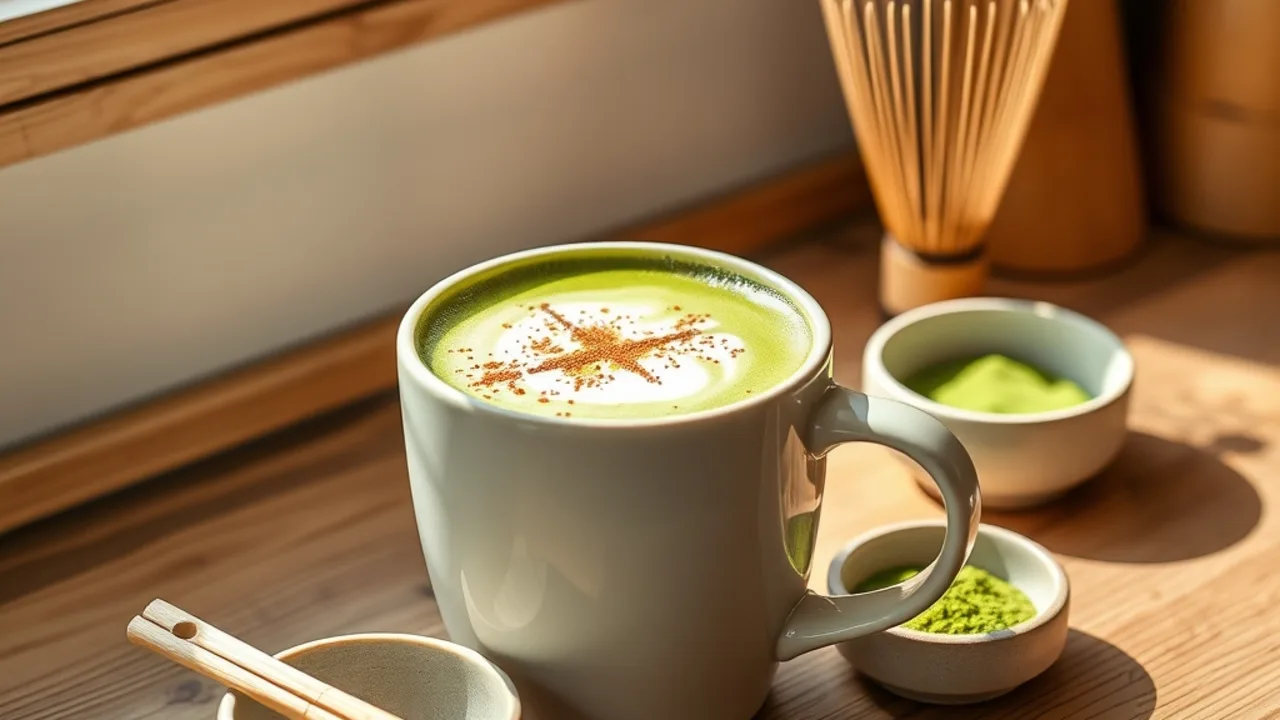
If you follow clean eating regimens or balanced fitness lifestyle plans, you have likely seen celebrity fitness trainer Autumn Calabrese whip up her signature morning beverage. The autumn calabrese matcha latte recipe has gained a loyal following because it swaps sugary, syrup-laden coffeehouse drinks for a clean, sustained energy boost powered by ceremonial green tea, nourishing plant milk, and wholesome add-ins.
Unlike standard coffee that can trigger mid-morning energy crashes or jittery spikes, high-grade matcha delivers steady alertness thanks to a unique blend of natural caffeine and the amino acid L-theanine. Here is a breakdown of what makes this fitness-focused morning latte so effective, how to prepare it hot or over ice, and how to tailor it to your daily nutritional goals.
What Makes the Autumn Calabrese Matcha Latte Different?
Traditional coffee shop matcha lattes often feature pre-sweetened powders where cane sugar is the first ingredient, followed by whole milk or heavily sweetened non-dairy bases. By contrast, fitness-forward recipes focus on nutrient density and clean ingredients:
- Pure Unsweetened Matcha: Using 100% stone-ground green tea powder ensures you get full antioxidant benefits without hidden fillers or sugars.
- Unsweetened Plant Milk: Autumn frequently reaches for unsweetened almond milk, coconut milk, or cashew milk to keep calories and carbohydrates balanced. Understanding the benefits of matcha latte with almond milk helps explain why this pairing works so well for everyday wellness.
- Optional Clean Protein or Collagen: Many wellness enthusiasts blend in a scoop of unflavored or vanilla collagen peptides for joint and skin support without compromising taste.
- Natural Sweeteners: A touch of pure maple syrup, raw honey, or liquid stevia provides gentle sweetness while keeping the drink aligned with clean eating container systems.
Ingredients You Will Need
To prepare one serving of this energizing morning latte, gather the following ingredients:
- Matcha Powder: 1 teaspoon (about 2 grams) high-quality ceremonial or daily-grade matcha.
- Warm Water: 2 ounces (1/4 cup) filtered water heated to approximately 175°F (80°C)—never boiling.
- Unsweetened Milk: 8 ounces (1 cup) unsweetened almond milk, oat milk, or light coconut milk. If you prefer a richer body, explore the best non dairy milk for matcha latte options to find your ideal match.
- Collagen Peptides (Optional): 1 scoop unflavored or clean vanilla collagen powder.
- Natural Sweetener (Optional): 1/2 teaspoon pure maple syrup, raw honey, or 2 to 3 drops of pure liquid stevia.
- Warm Spice: A light dusting of ground cinnamon for aroma and metabolic support.
Step-by-Step Instructions
1. Sift the Matcha
Matcha naturally attracts humidity and forms small clumps. Sifting 1 teaspoon of matcha through a fine mesh strainer directly into your mug or small preparation bowl guarantees a smooth, clump-free consistency. If you ever adjust serving sizes, check our guide on 1 tbsp matcha conversions and caffeine levels to keep your caffeine intake balanced.
2. Whisk with Hot Water
Pour 2 ounces of hot (not boiling) water over the sifted powder. Boiling water scorches delicate green tea leaves, resulting in a bitter, astringent flavor. Use a traditional bamboo whisk (chasen) in a quick "W" or "M" motion until a bright green, creamy froth forms on top. Alternatively, use a handheld electric milk frother for 15 to 20 seconds.
3. Blend or Warm Your Milk
For a warm latte, gently heat your plant milk in a small saucepan over medium-low heat until steaming, or warm it in a milk frother. If you are adding collagen peptides or pure vanilla extract, froth them directly into the warm milk so they dissolve completely.
4. Combine and Garnish
Pour your prepared matcha concentrate into your favorite mug, followed by the warm frothed milk. Add your preferred natural sweetener if desired, stir gently, and dust the top with a pinch of ground cinnamon.
Hot vs. Iced Preparation
While a warm mug provides soothing comfort on brisk mornings, this recipe transitions effortlessly into an iced refresher for warmer months or post-workout hydration.
To serve iced, dissolve the sifted matcha in 2 ounces of room-temperature or cold water using an electric frother or shaker cup. Fill a tall glass with fresh ice cubes, pour in your chilled unsweetened milk, and top with the vibrant green matcha layer. For an ultra-creamy variation, consider an iced matcha latte with oat milk for natural sweetness and cafe-style texture.
Nutritional Highlights and Health Benefits
Green tea has been studied extensively for its rich profile of bioactive polyphenols, particularly epigallocatechin gallate (EGCG). According to research documented by the National Center for Complementary and Integrative Health, green tea consumption provides notable antioxidant activity that supports overall wellness.
Because whole green tea leaves are ground into matcha powder, you consume the entire leaf rather than steeping and discarding it. This delivers a higher concentration of beneficial compounds, dietary fiber, and amino acids compared to standard steeped green tea bags.
Expert Tips for the Best Flavor
- Mind the Water Temperature: Aim for water between 160°F and 175°F. If you do not have a temperature-controlled kettle, boil water and let it sit uncovered for 3 to 4 minutes before pouring.
- Store Matcha Correctly: High-grade green tea powder is sensitive to air, light, and heat. Keep your matcha sealed tightly in an opaque tin inside the refrigerator to maintain vibrant color and fresh flavor.
- Use an Electric Frother for Quick Mornings: While a bamboo whisk is traditional, a handheld electric frother breaks up clumps and incorporates collagen peptides in under 30 seconds, making it ideal for busy weekday schedules. If you are mixing cold drinks on the go, review techniques for how to mix iced matcha powder smoothly.
Frequently Asked Questions
Can I drink this matcha latte on a 21-Day Fix or Portion Fix plan?
Yes. When prepared with unsweetened almond milk and unsweetened ceremonial matcha, the base counts as part of your daily beverage allowance or beverage container conversions. A teaspoon of pure maple syrup or honey can be tracked according to your meal plan's approved sweetener guidelines.
How much caffeine is in this matcha latte?
One teaspoon of pure culinary or ceremonial matcha generally contains between 60 and 70 milligrams of caffeine—slightly less than an average cup of brewed coffee. However, because matcha contains L-theanine, the caffeine is absorbed more gradually, providing calm focus without sudden crashes.
Can I make this drink ahead of time?
Matcha is best enjoyed fresh, as the ground leaves will gradually settle to the bottom over time. However, you can mix the concentrate, chill it in an airtight jar for up to 24 hours, and give it a vigorous shake before pouring over iced milk.


