
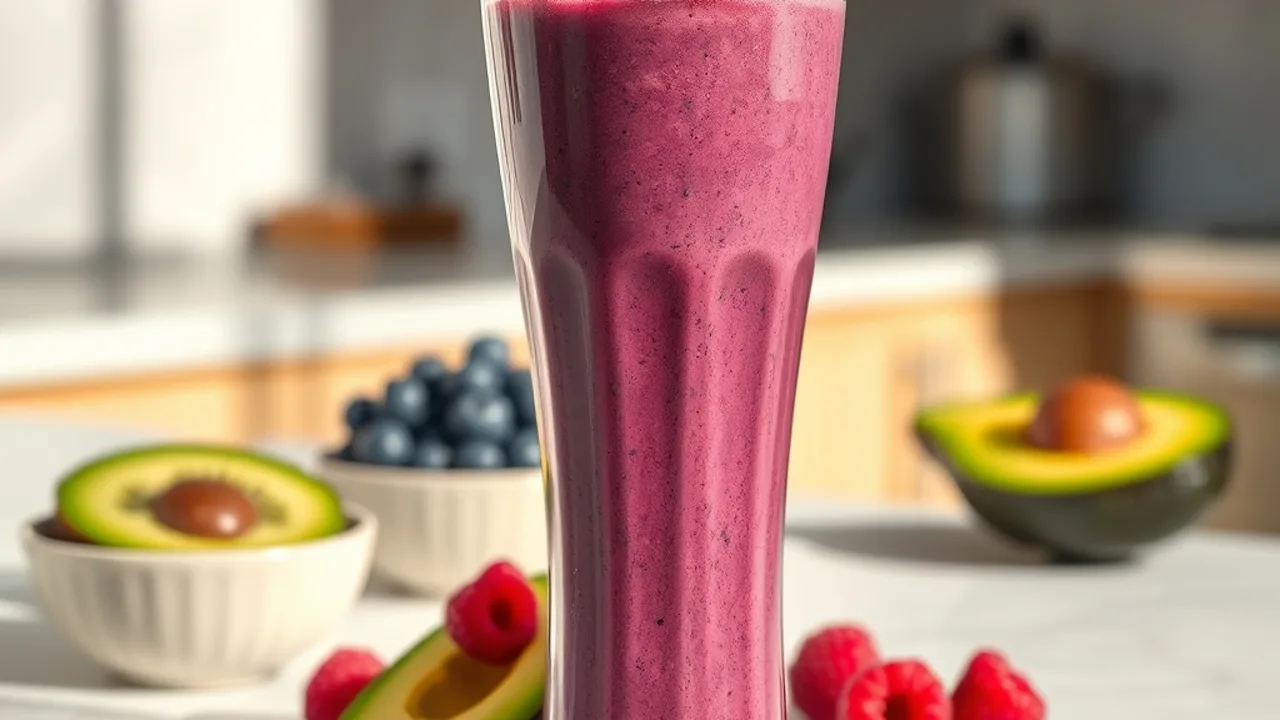
Choosing the healthiest fruit for smoothies comes down to picking ingredients packed with fiber, essential vitamins, and deep flavor without overloading your blender with excess sugar. Whether you want sustained morning energy, skin-nourishing antioxidants, or a thick, frosty texture, your choice of fruit sets the foundation for a truly nourishing drink.
Quick Answer: Wild blueberries and mixed berries are widely considered the healthiest fruit for smoothies due to their low glycemic impact, high dietary fiber, and concentrated antioxidant content. Other top contenders include avocados for healthy fats, tart cherries for recovery, kiwi for vitamin C, and green bananas for gut-friendly resistant starch.
In This Article
What Makes a Fruit Healthy for Smoothies?
Not every fruit behaves the same way once pureed. When you blend whole fruit, you break down its cellular walls, making it easier and faster for your body to digest. For a beverage that keeps you full and energized, you want fruits that offer more than just quick carbohydrates.
The best choices deliver high amounts of dietary fiber, especially soluble fiber, which slows digestion and helps prevent rapid blood sugar spikes. According to the Harvard T.H. Chan School of Public Health, consuming a wide variety of whole fruits rich in flavonoids and fiber supports cardiovascular health and steady metabolic function.
In addition to fiber, look for fruits packed with micronutrients like vitamin C, potassium, and polyphenols. Balancing these fruits with the right liquid, such as unsweetened almond milk or coconut water, makes all the difference. If you want tips on selecting liquids, check our guide on the best juice for smoothies to keep added sugars low.
The Healthiest Fruits for Smoothies, Ranked
Here are the top nutrient-dense fruits to keep in your kitchen, evaluated for their nutritional perks, texture, and blending performance.
1. Wild Blueberries and Mixed Berries
Berries take the crown as the overall healthiest fruit for smoothies. Blueberries, raspberries, blackberries, and strawberries provide rich color from anthocyanins, powerful plant pigments that defend cells against oxidative stress. Raspberries and blackberries lead the pack in dietary fiber, delivering roughly 8 grams of fiber per cup.
They add natural sweetness and vibrant color without requiring extra sweeteners. If you enjoy berry drinks, you might love our easy strawberry protein smoothie recipe for a satisfying post-workout meal.
2. Avocado
While often treated like a vegetable in the kitchen, avocado is botanically a fruit and one of the finest additions to any blender recipe. It supplies heart-healthy monounsaturated fats, folate, and potassium. More importantly, those healthy fats help your body absorb fat-soluble vitamins (such as vitamins A, E, and K) from leafy greens and other ingredients.
Adding just a quarter of a ripe avocado creates an ultra-velvety texture comparable to full-fat yogurt or ice cream, making it a cornerstone for creamy drinks like those in our guide to healthy smoothies for clear skin.
3. Kiwi
Kiwi is an underrated powerhouse. A single medium kiwi provides nearly your entire daily recommended allowance of vitamin C, along with actinidin, an enzyme that aids digestive comfort. Its gentle tartness cuts through heavy greens like spinach or kale without overpowering them. You can try our refreshing easy kiwi smoothie recipe to see how bright and balanced it tastes.
4. Slightly Green (Unripe) Bananas
Fully ripe yellow bananas taste wonderful, but slightly green-tipped bananas offer distinct digestive benefits. They contain prebiotic resistant starch, a type of carbohydrate that passes through the stomach undigested to feed beneficial bacteria in your gut. They provide the classic creamy smoothie base with less free sugar and a gentler glycemic impact.
5. Tart Cherries
Montmorency tart cherries are celebrated for their rich melatonin and anthocyanin content. Many athletes blend tart cherries into evening or post-exercise drinks because research suggests they help support muscle recovery and sound sleep. They lend a deep ruby color and a tart, refreshing tang.
| Fruit | Primary Benefit | Texture Contribution | Sugar Impact |
|---|---|---|---|
| Wild Blueberries | High anthocyanins & brain support | Light, juicy body | Low to moderate |
| Raspberries | Exceptional dietary fiber (8g/cup) | Subtle thickness, tart finish | Very low |
| Avocado | Healthy fats & nutrient uptake | Ultra-rich and creamy | Virtually zero sugar |
| Kiwi | Potent vitamin C & digestion enzymes | Smooth, refreshing lightness | Moderate |
| Green-Tipped Banana | Prebiotic gut-feeding fiber | Thick, milkshake consistency | Moderate |
Fresh vs. Frozen Fruit: Which Is Better?
Many people assume fresh fruit straight from the market is superior, but frozen fruit often holds an edge for both nutrition and convenience. Commercial frozen fruit is picked at peak ripeness and flash-frozen within hours, which locks in delicate vitamins like vitamin C.
Frozen fruit also provides that chilled, milkshake-like texture without needing plain ice cubes, which can water down the flavor. If you manage carbohydrates closely, explore our keto fruit smoothie ideas that use frozen low-glycemic berries to preserve thickness and chill.
How to Balance Natural Sugars in Your Glass
Even though natural fruit sugar (fructose) comes with vitamins, drinking multiple servings of sweet fruit in one sitting can cause a swift rise and fall in blood sugar. To build a balanced drink, follow these practical kitchen strategies:
- Pair fruit with protein: Add Greek yogurt, hemp seeds, or your favorite unsweetened protein powder to slow glucose absorption.
- Introduce healthy fats: A tablespoon of chia seeds, ground flaxseed, or almond butter keeps you feeling full for hours.
- Include mild greens: Toss in a cup of baby spinach or frozen cauliflower rice. They blend seamlessly without altering the fruit taste.
- Stick to whole fruit over juice: Avoid using packaged apple or orange juice as your blending base; use water, plant milk, or green tea instead.
For more no-fuss blending strategies designed for simple routines, see our collection of the easiest smoothies to make.
The Ultimate Nutrient-Dense Smoothie Recipe
This easy 5-minute recipe combines the highest-ranking antioxidant fruits with healthy fats and fiber for sustained morning energy.
- Preparation time: 5 minutes
- Servings: 1 large glass (about 16 oz)
- Difficulty: Beginner
Ingredients:
- 1 cup frozen wild blueberries or mixed berries
- 1/4 ripe avocado (fresh or frozen chunks)
- 1 cup fresh baby spinach, packed
- 1 tablespoon chia seeds or ground flaxseeds
- 1 scoop unsweetened plant-based or whey protein powder (optional)
- 1 cup unsweetened almond milk, oat milk, or chilled water
- 1 teaspoon fresh lemon juice (brightens the berry flavor)
Step-by-Step Instructions:
- Add your liquid first: Pour the unsweetened milk or water into the bottom of the blender jar to help the blades spin freely.
- Layer soft and leafy ingredients: Place the baby spinach, avocado, and chia seeds into the jar next.
- Add frozen fruit on top: Top with the frozen wild blueberries. The weight of the frozen fruit pushes the lighter greens down into the blades.
- Blend on high: Start on low speed for 15 seconds, then increase to high for 45 to 60 seconds until completely silky and purple.
- Adjust thickness and serve: If the mixture is too thick, splash in an extra two tablespoons of liquid and pulse briefly. Pour into a chilled glass and enjoy immediately.
Frequently Asked Questions
What fruit has the least amount of sugar for smoothies?
Raspberries, blackberries, and strawberries have the lowest sugar content among common fruits, containing only about 5 to 7 grams of natural sugar per cup alongside generous fiber.
Can I drink a fruit smoothie every day?
Yes, daily smoothies are a convenient way to boost your produce intake. Just ensure your recipe includes protein, fiber, and healthy fats alongside fruit to maintain steady energy levels throughout the morning.
Are bananas bad for a healthy smoothie?
No, bananas are not bad. They offer potassium, vitamin B6, and pleasant creaminess. However, if you are monitoring carbohydrate intake, use half a green-tipped banana or swap half of it for frozen zucchini or avocado.
Should I remove the skin from kiwi before blending?
You can actually leave smooth-skinned kiwi varieties unpeeled after a good wash. If using standard fuzzy kiwi, rubbing off the outer fuzz or slicing away the skin creates a smoother drink.
Bring It All Together
Identifying the healthiest fruit for smoothies helps you prepare drinks that satisfy your appetite while delivering dense cellular nutrition. Keep your freezer stocked with dark wild berries, avocado portions, and tart cherries so you can whip up an energizing, nutrient-packed glass whenever hunger strikes.
Ready to explore more balanced beverage ideas? You might also like our nutrient-dense easy kiwi smoothie recipe, our satisfying easy strawberry protein smoothie recipe, or our wholesome ideas for healthy smoothies for clear skin.


