
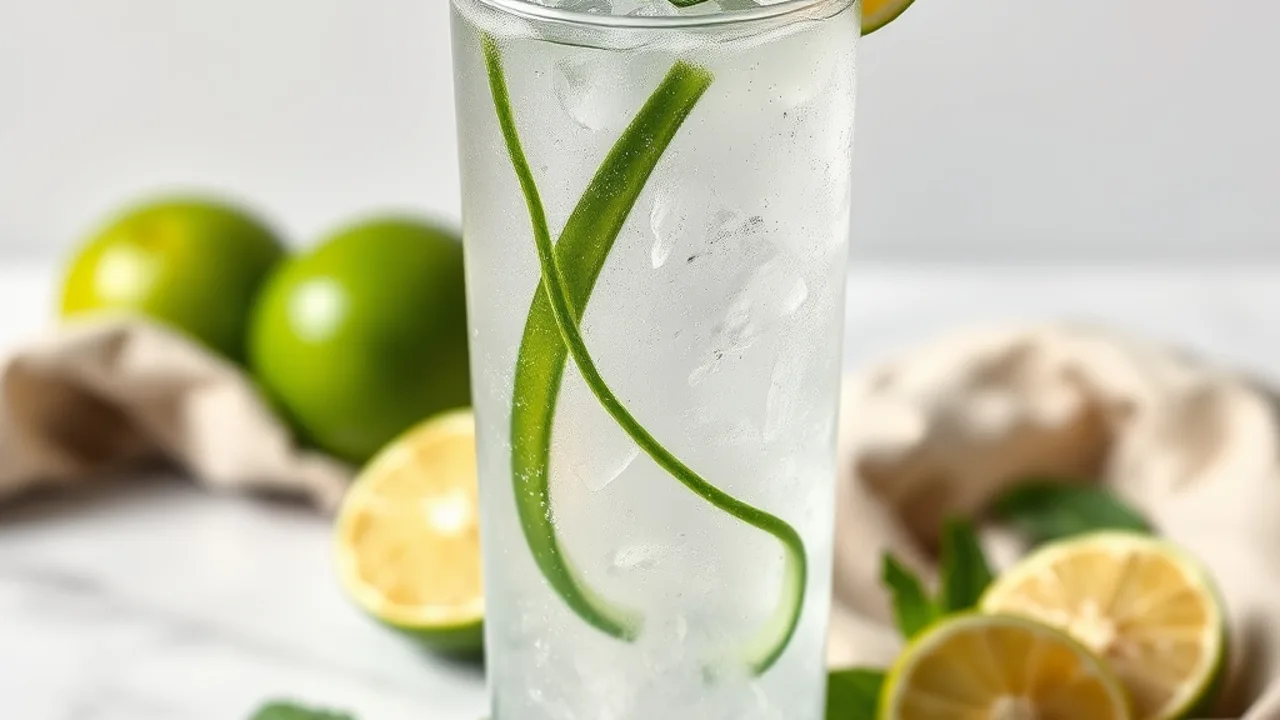
Finding non-alcoholic beverages that avoid hefty doses of sugar can often feel like a challenge. Traditional alcohol-free drinks frequently lean on sweet syrups, rich purées, and fruit juices that cause rapid blood sugar spikes. However, crafting satisfying low carb mocktails at home requires only a few smart ingredient swaps, botanical infusions, and fizzy mixers to achieve complex, bar-quality flavor without excessive carbohydrates.
What Makes a Great Low Carb Mocktail?
A balanced beverage balances acidity, aroma, mouthfeel, and sweetness. In conventional bartending, simple syrup and citrus juices supply harmony against high-proof spirits. When preparing alcohol-free, low-carbohydrate alternatives, you replace sugary mixers with zero-calorie botanical syrups, carbonated mineral water, fresh herbal extractions, and mindful additions of citrus zest and juice.
Rather than pouring dense berry juices, use steeped cold herbal teas, sparkling club soda, or fragrant bitters as your base. If you are learning the ropes of creating customized alcohol-free drinks, our comprehensive guide to mocktail bar ideas offers plenty of inspiration for arranging a dedicated home beverage station.
Essential Low-Carb Flavor Builders
Stocking a practical home pantry with the right foundational items makes whipping up keto-friendly drinks fast and intuitive:
- Fresh Citrus and Zest: Lemon and lime juices carry roughly 2 to 2.5 grams of net carbohydrates per fluid ounce. Rather than using large volumes of juice, grate aromatic citrus oils from the peel using a fine zester to impart punchy brightness without adding sugar.
- Herbal Infusions: Fresh mint, basil, rosemary, and thyme release fragrant essential oils when gently pressed with a muddler. Brewed herbal teas, such as hibiscus or floral chamomile, yield rich hues and deep aromatics with zero carbohydrates.
- Zero-Calorie Natural Sweeteners: Liquid monk fruit drops, pure liquid stevia, and allulose dissolve effortlessly into cold beverages without gritty residue. For broader entertaining, you can review techniques for refreshing low-sugar summer mocktails that utilize balanced sweetening methods.
- Bubbly Mixers: Plain seltzer, sodium-free sparkling water, and sugar-free tonic waters deliver crisp carbonation that mimics the mouthfeel of classic cocktails. You can also craft a fizzy foundation using simple pantry steps outlined in our guide on DIY fizzy drink techniques.
- Vinegars and Bitters: A small dash of raw apple cider vinegar adds fermented tang resembling artisanal shrub syrups. High-quality aromatic bitters add depth and balance; while some contain negligible alcohol traces per dash, zero-proof bitters are widely available.
Featured Recipe: Sparkling Cucumber Mint Refresher
This crisp cooler blends the natural cooling properties of fresh English cucumber with the bright aroma of garden mint and tart lime. It contains less than 2 grams of net carbohydrates per serving and comes together in just five minutes.
| Prep Time | Total Time | Servings | Estimated Net Carbs |
|---|---|---|---|
| 5 minutes | 5 minutes | 1 serving | ~1.5 g |
Ingredients
- 4 thin slices English cucumber (peeled or thoroughly washed)
- 6 fresh spearmint leaves
- 0.75 ounce fresh lime juice
- 3 to 4 drops liquid monk fruit sweetener (adjust to taste)
- Pinch of fine sea salt
- 6 ounces chilled unflavored sparkling water
- 1 cup crushed ice
- Cucumber ribbon and fresh mint sprig, for garnish
Step-by-Step Instructions
- Muddle the Aromatics: In a sturdy mixing glass or cocktail shaker, place the cucumber slices, fresh mint leaves, lime juice, sea salt, and liquid sweetener. Lightly press the ingredients with a muddler just until fragrant. Avoid shredding the mint leaves, which can release bitter chlorophyll.
- Chill the Base: Add a small scoop of ice to the shaker and stir smoothly for 10 to 15 seconds to thoroughly chill the extraction.
- Strain and Serve: Strain the liquid through a fine-mesh strainer into a chilled Collins glass packed with fresh crushed ice. Discard the muddled solids to maintain a clean drink profile.
- Top with Bubbles: Slowly pour the chilled sparkling water over the ice, allowing the carbonation to blend naturally with the citrus base.
- Garnish and Enjoy: Tuck a thin cucumber ribbon along the inner wall of the glass and nestle a slapped sprig of mint on top to provide an inviting herbal aroma with every sip.
Three Creative Low-Carb Flavor Variations
Once you understand the basic formula of herbs, acid, sweetening agents, and effervescence, experimenting with new profiles is simple:
1. Rosemary Grapefruit Sparkler
Pink grapefruit juice contains natural sugars, but you can achieve that classic bittersweet profile with far fewer carbs. Combine half an ounce of ruby red grapefruit juice with two drops of grapefruit essential bitters, a light squeeze of fresh lemon, and a sprig of fresh rosemary lightly bruised in the bottom of your shaker. Sweeten lightly with allulose and top with crisp club soda for an elegant presentation reminiscent of sophisticated signature mocktails.
2. Spicy Jalapeño-Lime Spritz
Muddle a single thin round of raw jalapeño (seeds removed for moderate warmth) with freshly squeezed lime juice and a dash of powdered stevia. Pour over ice, top with bubbly lime seltzer, and finish with a rim lightly dusted with smoked chili powder and flaky sea salt. It delivers all the zesty complexity of a classic margarita without extra sugars.
3. Herbal Berry Hibiscus Cooler
While standard fruit concentrates are high in carbohydrates, pure brewed hibiscus tea yields vibrant crimson color and tart cranberry-like notes without sugar. If you enjoy the tart profile found in an easy pomegranate mocktail recipe, steep two hibiscus tea bags in half a cup of hot water, chill completely, mix with sparkling water, and finish with two mashed fresh raspberries for bright visual contrast.
Nutritional Awareness and Mindful Ingredients
When tracking carbohydrates closely, pay close attention to pre-packaged tonics, ginger beers, and sodas. Even beverages labeled as natural often utilize cane sugar or agave nectar, adding substantial carbohydrates per bottle. The Centers for Disease Control and Prevention guidance on healthy eating highlights the importance of limiting added sugars to maintain stable metabolic health.
For those managing insulin response or adhering strictly to ketogenic diets, clinical resources such as the Harvard Health Publishing nutrition portal provide comprehensive overviews of how refined carbohydrates influence daily wellness and blood sugar fluctuations.
Expert Bartending Tips for Sugar-Free Drinks
- Saline Solution Boost: Adding a single tiny pinch of salt or a drop of food-grade saline solution reduces perceived bitterness and enhances the natural flavor of citrus and botanical extracts.
- Temperature Control: Carbonation dissipates quickly in warm liquids. Always chill your glassware in the freezer for ten minutes beforehand and use cold mixers straight from the refrigerator.
- Use Clean Ice: Old, freezer-burned ice absorbs stray aromas and waters down delicate drinks quickly. Use fresh ice cubes made from filtered water to keep the flavors clean.
Frequently Asked Questions
What sweetener works best for cold low carb mocktails?
Liquid sweeteners, such as liquid monk fruit drops or liquid allulose, dissolve instantaneously into cold fluids. Granulated erythritol or monk fruit blends often fail to fully dissolve in iced drinks, leaving a sandy or gritty texture at the bottom of the glass.
Are commercial cocktail bitters low carb?
Yes. A standard dash of commercial bitters amounts to roughly 1/32 of an ounce. Even though bitters typically contain botanical extracts dissolved in high-proof alcohol, the net carbohydrates contributed by one or two dashes in a tall drink remain well below 0.5 grams.
How can I make a low carb simple syrup?
Gently heat equal parts water and allulose over medium heat until completely dissolved, then remove from the heat and allow it to cool before chilling. Allulose provides natural mouthfeel and body that closely mimics traditional cane sugar syrup without crystalizing when stored in the refrigerator.


