
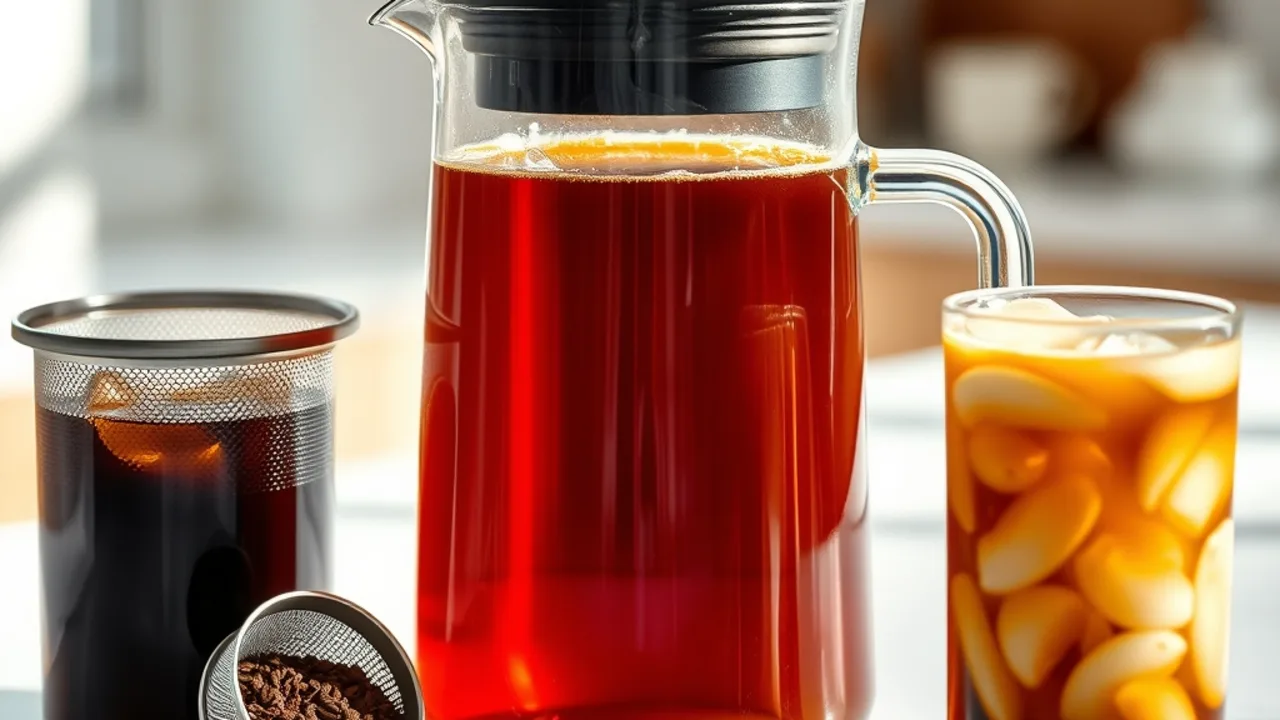
Finding the best cold brew coffee pitcher can transform your morning routine from a rushed stop at a cafe drive-thru into a seamless, cost-effective ritual. Cold brew coffee is prized for its low acidity, rounded chocolatey sweetness, and refreshing finish. While you can technically steep ground coffee in any container and strain it through a cheesecloth, a dedicated pitcher simplifies the entire operation. It keeps messy coffee grounds neatly contained, fits neatly in your refrigerator door, and pours cleanly without drips.
Whether you need a compact glass carafe for single-serving mornings or a heavy-duty container to prep a week of iced drinks, picking the right brewer comes down to filtration quality, seal integrity, and materials. In this guide, we break down what to look for in a brewer, review the top styles on the market, and share practical brewing guidelines to achieve rich, silt-free concentrate every time.
What to Look for in a Cold Brew Coffee Pitcher
Not all pitchers deliver the same cup quality or everyday convenience. When shopping for your ideal brewer, consider these five essential design factors:
- Filter Quality and Mesh Density: The primary failure point of cheap cold brewers is weak filtration. Look for ultra-fine, rust-resistant 304 or 316 stainless steel mesh filters. If the perforations are too large, micro-grounds slip into your coffee, leading to cloudy liquid, gritty sediment, and continued over-extraction that causes bitterness.
- Airtight Silicone Seals: Cold brew requires 12 to 24 hours of steeping in the refrigerator. An airtight lid is crucial because coffee grounds absorb ambient odors like a sponge. A tight seal prevents your brew from tasting like last night’s dinner leftovers while locking in fresh aromatics.
- Material (Borosilicate Glass vs. BPA-Free Plastic): Thermal shock-resistant borosilicate glass is the gold standard for beverage neutrality because it never absorbs oils or stains. If durability or portability is your priority, high-grade shatterproof Tritan plastic is a practical alternative.
- Footprint and Fridge Fit: Measure your refrigerator shelves and door bins before buying. Tall, slender carafes slip easily into door pockets, whereas wide, barrel-shaped pitchers require cleared shelf space.
- Ease of Disassembly and Cleaning: Cold coffee oils quickly accumulate in crevices and silicone gaskets. Choose pitchers with fully removable bases, wide-mouth openings, and dishwasher-safe components.
Top Pitcher Styles Compared
Modern pitchers generally fall into three design categories, each catering to different brewing habits:
| Pitcher Style | Primary Benefit | Best For | Potential Drawback |
|---|---|---|---|
| Glass Carafe with Core Infuser | Clean aesthetic, fits fridge doors easily | Daily drinkers (1–2 people) | Glass requires gentle handling |
| Heavy-Duty Mason Jar Pitcher | Extreme durability, secure handle and spout | Batch brewing, versatile kitchen prep | Wider base footprint |
| Tritan Plastic Twist-Top Brewer | Completely leak-proof, can store horizontally | Tight fridge spaces, travel, RVs | Plastic can show scuffs over time |
If you prefer a rugged, time-tested aesthetic that can withstand bustling household kitchens, exploring a dedicated glass unit such as the Mason Jar Pitcher 64 oz Review: Heavy Duty Glass Pitcher with Lid for Cold Brew and Iced Tea offers an excellent look at how heavy-duty handled jars perform for batch chilling.
The Golden Brewing Ratio for Cold Brew Pitchers
Even the best brewing gear will produce lackluster coffee if your ground-to-water ratio is off. Cold water extracts coffee compounds far more gently and slowly than near-boiling water, requiring a higher concentration of grounds.
For a standard, ready-to-drink brew, use a 1:8 weight ratio (one part coarsely ground coffee to eight parts cold water). If you prefer a potent concentrate that you can dilute with water, milk, or oat milk, aim for a 1:4 or 1:5 ratio. Understanding extraction chemistry is vital; the Specialty Coffee Association establishes clear standards on how grind uniformity, brew temperature, and contact time dictate the balance of sweet, acidic, and bitter soluble compounds in coffee.
If you want a step-by-step walkthrough on perfecting your steep time and grind coarseness, read our detailed guide on how to make your own cold brew with an easy pitcher guide.
Step-by-Step: How to Brew Using a Dedicated Pitcher
Follow these steps to maximize flavor clarity and avoid sediment in your pitcher:
- Grind Your Coffee Coarse: Use whole beans ground to the consistency of coarse sea salt or raw demerara sugar. Never use fine espresso or medium drip grinds, which easily clog infuser mesh and turn bitter.
- Insert the Filter and Add Grounds: Place the stainless steel infuser basket into your clean pitcher. Pour your weighed grounds directly into the core.
- Pre-Wet and Slowly Pour: Pour filtered, cold water slowly in circular motions over the grounds. Allow the water to saturate the dry coffee bed, pausing briefly to let the trapped gases release (a gentle cold bloom). Continue filling until the pitcher reaches capacity.
- Seal and Steep: Fasten the airtight lid securely. Place the pitcher in your refrigerator for 16 to 24 hours. A longer steep produces deeper chocolate and nutty notes, while stopping at 14 to 16 hours highlights brighter fruit tones.
- Remove the Core and Store: Pull the infuser basket straight out and let it drain over the pitcher for 30 to 60 seconds without squeezing or tapping the grounds aggressively. Discard or compost the spent coffee. Reseal the pitcher and keep it chilled for up to two weeks.
If you enjoy experimenting with different coffee preparations at home, comparing this method against a quick easy cold brew coffee recipe at home or whipping up a sweet caramel iced coffee syrup recipe will elevate your personal iced coffee bar.
Maintenance and Cleaning Tips for Long-Lasting Pitchers
Regular maintenance ensures your pitcher never transfers rancid flavors or staleness into fresh batches:
- Clear the Mesh Immediately: Do not leave wet coffee grounds resting in the infuser core after steeping is complete. Rinse the basket inside and out with warm water right away to prevent oils from baking into the micro-mesh perforations.
- De-Oil with Baking Soda: Coffee oils create a slippery film over time. Once a month, soak your glass pitcher and stainless infuser in warm water mixed with two tablespoons of baking soda to strip stubborn residue without chemical odors.
- Inspect Silicone O-Rings: Remove the rubber gasket on the lid periodically to wash away trapped moisture. Ensure the ring is bone dry before reassembling to maintain an airtight seal and prevent mold. For broader insights on safe food handling and cleaning food-contact equipment, consult guidance from the USDA Food Safety and Inspection Service.
Frequently Asked Questions
Can I steep my cold brew pitcher on the counter at room temperature?
Yes. Steeping at room temperature accelerates extraction, reducing the required brew time down to 12 to 14 hours. However, refrigerator steeping (16 to 20 hours) yields a noticeably smoother, crisper flavor profile with lower perceived acidity. If you steep on the counter, place the pitcher in the fridge immediately after pulling the grounds.
Why does my cold brew taste weak or watery?
A weak brew is usually caused by an improper ratio (too much water relative to coffee grounds), grinding too coarse, or under-steeping. Ensure you steep for a minimum of 14 to 16 hours. If you added ice directly into the pitcher, it may have melted and diluted your batch prematurely.
Can I use pre-ground grocery store coffee in a cold brew pitcher?
Most standard pre-ground coffees are ground to a medium-fine consistency meant for automated drip makers. While usable in a pinch, fine grounds can slip through even the best stainless mesh filters, yielding cloudy coffee with mud at the bottom. For optimal clarity, buy whole beans and grind them on the coarsest setting on a burr grinder.


