
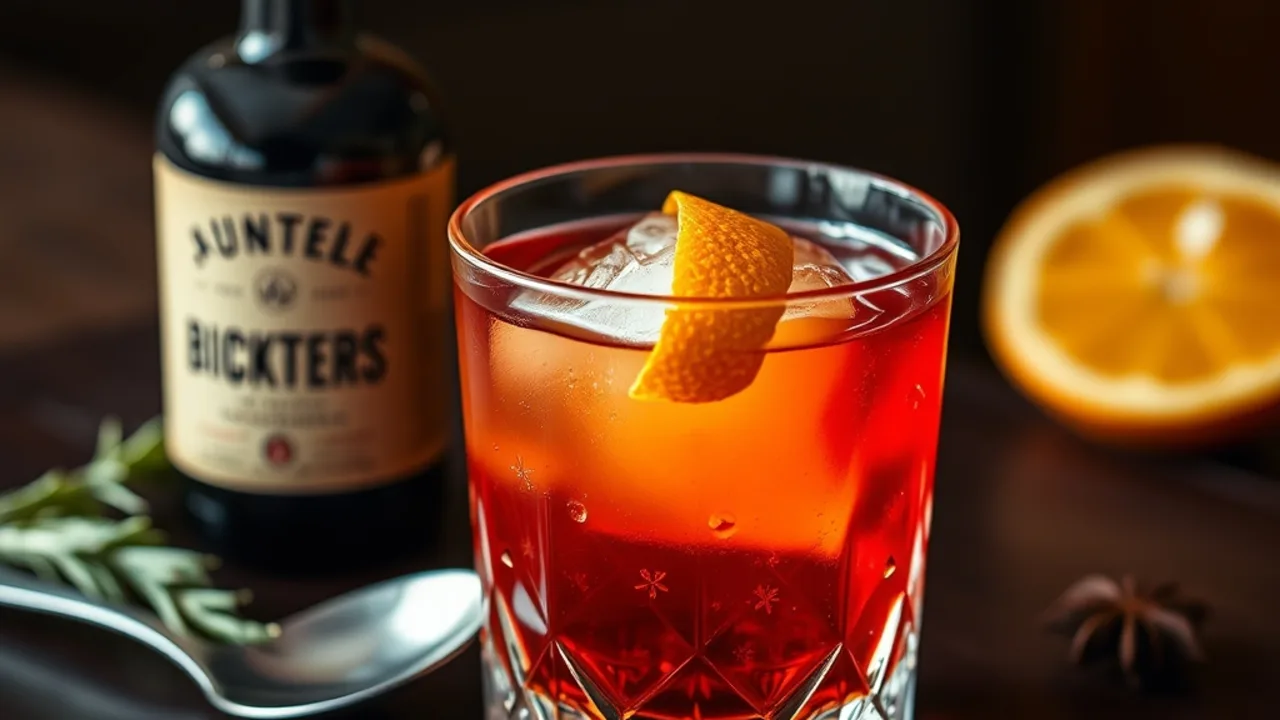
When you take alcohol out of a drink, the biggest challenge isn't replacing the sweet fruit juice or fizzy soda—it is recreating depth, aroma, and lingering bite. That is precisely why craft bartenders rely on mocktails with bitters. Just a couple of concentrated dashes can transform ordinary seltzer or fresh citrus into a nuanced, grown-up beverage with layers of botanicals, gentle spice, and sophisticated astringency.
Whether you are participating in dry months, hosting inclusive parties, or simply exploring creative non-alcoholic drinking, mastering cocktail bitters is your secret weapon. In this guide, you will learn how bitters function in zero-proof drinks, how to navigate alcohol contents and zero-ABV alternatives, and how to craft four balanced non-alcoholic recipes right at home.
What Are Bitters and How Do They Transform Mocktails?
Bitters are highly concentrated botanical extracts crafted by infusing high-proof alcohol or vegetable glycerin with roots, barks, aromatic herbs, fruit peels, spices, and seeds. Traditionally treated as digestive aids, they became foundational cocktail ingredients because of their ability to tie disjointed flavors together.
In standard mixed drinks, alcohol provides body, carries aromatics, and balances sweetness. When you design signature mocktails without spirits, drinks frequently run the risk of tasting like simple juice punch or sweetened water. Adding a dash of aromatic or citrus bitters introduces:
- Aromatic lift: Scent plays a massive role in taste. The woodsy, floral, or herbal vapors hit your nose before the liquid reaches your palate.
- Structural balance: Bitterness suppresses excessive sweetness and counters sharp acidity, establishing the dry finish characteristic of classic cocktails.
- Mouthfeel and complexity: Herbal gentian, warm cardamom, or cinchona bark create lingering mid-palate notes that mimic the warmth and texture of barrel-aged spirits.
Do Bitters Contain Alcohol? What You Need to Know
A crucial consideration when mixing non-alcoholic beverages is understanding what is inside the bottle. Traditional cocktail bitters—such as Angostura or Peychaud's—are extracts bottled at high alcohol by volume, commonly between 35% and 45% ABV.
However, bitters are dispensed in minute amounts: a single "dash" measures roughly 1/32 to 1/40 of an ounce (about 0.8 ml). When two dashes of standard bitters are stirred into a 6-to-8-ounce glass of liquid, the resulting beverage contains a negligible trace of alcohol (typically below 0.2% to 0.4% ABV). For perspective, the U.S. Food and Drug Administration and international beverage standards classify any drink containing less than 0.5% ABV as non-alcoholic—roughly equivalent to what occurs naturally in ripe bananas, natural sauerkraut, or everyday kombucha.
That said, if you are strictly abstaining, in alcohol recovery, or preparing drinks for pregnancy or religious reasons, traditional extracts might not fit your standards. Thankfully, the modern zero-proof movement offers outstanding true 0.0% ABV bitters made using vegetable glycerin, water extractions, and natural botanical distillates from brands like All The Bitter, Dram Apothecary, and Fee Brothers (many of whose offerings use glycerin bases).
Essential Bitters Profiles for Home Mixologists
To stock an efficient mocktail station, you only need two or three versatile bottles:
| Bitters Type | Primary Tasting Notes | Best Pairings in Mocktails |
|---|---|---|
| Aromatic | Cinnamon, clove, allspice, gentian root, dried cherry | Ginger beer, dealcoholized whiskey, apple cider, cola |
| Orange & Citrus | Seville orange peel, cardamom, coriander, burnt sugar | Club soda, tonic, cranberry juice, zero-proof gin, iced tea |
| Herbal / Botanical | Lavender, rosemary, mint, hibiscus, grapefruit | Lemonades, cucumber purée, sparkling water, light herbal teas |
If you enjoy experimenting with different setups, check out our guide on mocktail bar ideas to create an interactive non-alcoholic drink station for your next gathering.
4 Elevated Mocktails with Bitters to Make at Home
Here are four distinct recipes showcasing how a few deliberate dashes create bar-quality mocktails across different flavor styles.
1. The Botanical Bitters & Soda
The ultimate low-effort, high-flavor refresher. It is clean, exceptionally dry, and takes less than a minute to assemble.
- Ingredients: 6 oz quality sparkling water or club soda, 3 dashes aromatic or orange bitters, 0.5 oz fresh lime juice, fat wedge of grapefruit.
- Method: Fill a highball glass with large ice cubes. Add the lime juice and dashes of bitters. Gently pour the chilled club soda to preserve carbonation. Give it a gentle lift with a barspoon and garnish with the grapefruit wedge.
2. The Orchard & Spice Mule
Ginger already provides natural fire, but aromatic bitters give it deep, woodsy complexity that cuts through the ginger's sweetness. If you enjoy spicy bases, pairing this with a homemade concentrate like our homemade ginger cordial elevates the experience further.
- Ingredients: 4 oz craft ginger beer, 2 oz unfiltered apple cider, 0.5 oz fresh lemon juice, 3 dashes aromatic bitters, fresh cinnamon stick and apple slices.
- Method: In a copper mug or rocks glass filled with crushed ice, combine apple cider and lemon juice. Top with chilled ginger beer, dash the aromatic bitters directly onto the ice surface, and stir gently. Express the cinnamon stick slightly before garnishing.
3. The Zero-Proof Ruby Spritz
Inspired by iconic Italian aperitifs, this spritz blends tart fruit, floral notes, and a crisp bitter finish. It works beautifully alongside other refreshing mocktail spritz recipes when hosting patio afternoons.
- Ingredients: 2 oz 100% tart cranberry or pomegranate juice, 0.5 oz rosemary simple syrup, 3 dashes orange bitters, 4 oz premium tonic water or sparkling water, fresh rosemary sprig.
- Method: Fill a wine glass generously with ice. Pour in the tart juice, rosemary syrup, and orange bitters. Top with cold tonic water for botanical sweetness or club soda for a crisper finish. Slap the rosemary sprig between your palms to release fragrant oils and slide it along the rim.
4. The Smoked Maple Bitter Sours
A sophisticated sipper modeled after classic whiskey sours, relying on genuine maple syrup, steeped black tea, and heavy aromatic bitters to achieve deep caramel-oak notes without a drop of alcohol.
- Ingredients: 2 oz chilled strong brewed Lapsang Souchong or Assam black tea, 0.75 oz fresh lemon juice, 0.5 oz dark pure maple syrup, 4 dashes aromatic bitters, 1 oz aquafaba (chickpea brine, for a velvety foam head), Maraschino cherry.
- Method: Add all ingredients to a cocktail shaker without ice and shake vigorously for 15 seconds (dry shake). Add ice cubes and shake hard for another 12 seconds until frosty. Double strain into a chilled coupe glass. Garnish the thick foam head with three drops of bitters and a classic cherry.
Tips for Balancing Bitterness in Zero-Proof Drinks
Because bitters are potent, achieving harmony requires attention to proportion. Keep these practical techniques in mind:
- Start with two dashes: You can always add an extra dash after tasting, but you cannot extract bitterness once it is integrated. Taste the base mixture before topping with soda.
- Respect the acid-sugar relationship: Bitterness emphasizes sour notes. If your drink tastes too sharp, adjust with a small barspoon of simple syrup, agave nectar, or honey rather than diluting with water. Explore our collection of low-sugar mocktail recipes for healthy ways to sweeten without cloying refined sugar.
- Prioritize ice quality: Dense, clear ice melts slowly, preventing your mocktail from turning watery before you finish enjoying its aromatic qualities.
- Emphasize the garnish: Expressing an orange peel or slapping a mint sprig directly over the drink releases volatile oils onto the surface, melding seamlessly with the bitters underneath.
Frequently Asked Questions
Can I drink mocktails with traditional bitters while pregnant?
While two dashes of standard bitters in a large drink dilute the overall alcohol content down below 0.5% ABV, individual preferences and medical advice vary. To eliminate all uncertainty, opt for certified 0.0% ABV non-alcoholic bitters formulated with vegetable glycerin instead of grain alcohol.
Where can I purchase non-alcoholic bitters?
Zero-proof bitters are widely available at specialty non-alcoholic bottle shops, natural health grocers, and through major online culinary retailers. Common brands specializing in alcohol-free formulations clearly display "0.0% ABV" or "alcohol-free" on their primary front label.
How long do bitters last once opened?
Traditional alcohol-based bitters possess an indefinite shelf life and can remain in your pantry for years without spoiling. Non-alcoholic, glycerin-based bitters generally keep well for 12 to 24 months after opening; check the manufacturer's packaging, as some brands recommend refrigeration to maximize botanical vibrancy.


