
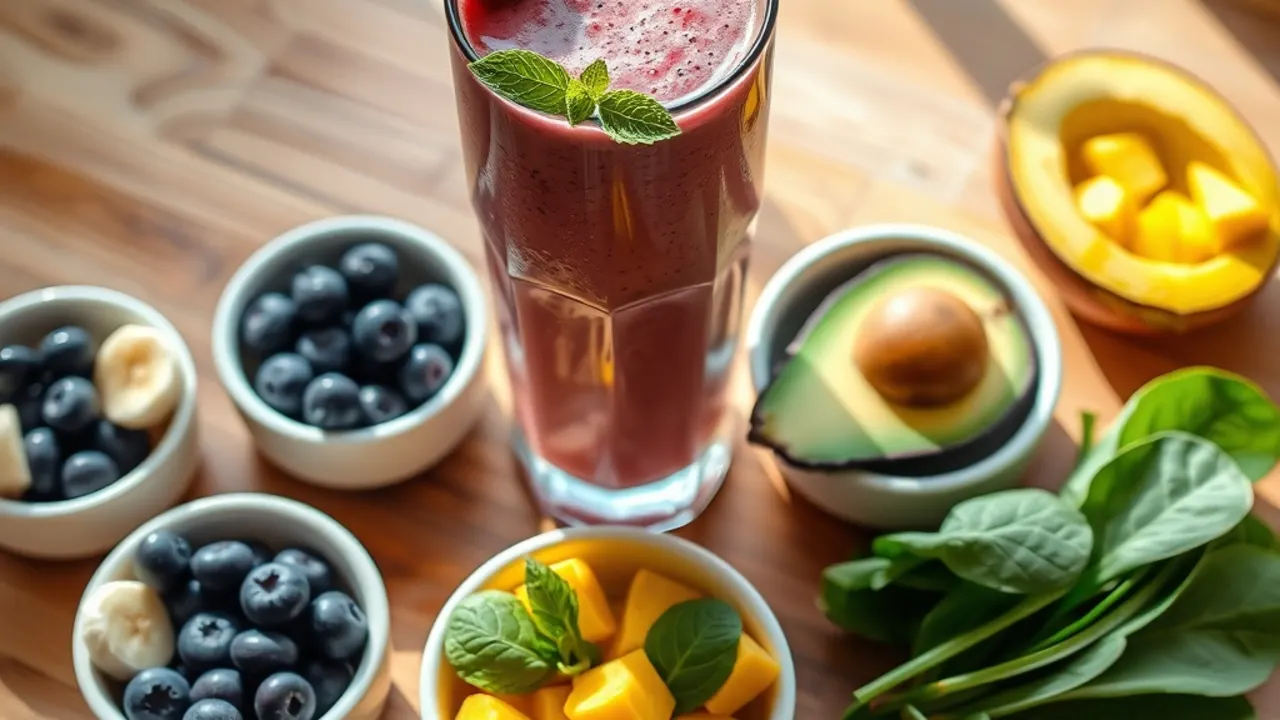
Looking for the best fruits for smoothies to make thick, creamy, and flavorful drinks every morning? The best fruits to build your smoothies around are frozen bananas, sweet mangoes, mixed berries, and ripe avocados. These fruits create a rich, velvety texture while naturally balancing flavors without the need for refined sugar.
Whether you want quick energy, refreshing hydration, or a satisfying meal replacement, choosing the right fruit is the secret to a great blender drink. In this practical guide, you will learn how each fruit changes the texture of your cup, which greens pair well with sweet produce, and how to craft effortless drinks every day.
In This Article
- The 6 Best Fruits for Smoothies and Creamy Textures
- Fresh vs. Frozen Fruit: What Gives the Best Results?
- Best Fruit and Vegetable Combinations for Smoothies
- Best Smoothie Ingredients for Gut Health and Daily Nutrition
- What to Put in Smoothies for Weight Loss
- Easy Smoothie Recipes: 3 Ingredients to Get Started
- Smoothie Fruit Quick Reference Guide
- Frequently Asked Questions
- Wrapping Up Your Perfect Blend
The 6 Best Fruits for Smoothies and Creamy Textures
Every fruit brings something unique to your blender. Some give you a thick, milkshake-like base, while others provide bright tartness or natural sweetness. Here are the top fruits you can keep in your kitchen for everyday blending.
1. Bananas
Bananas are the undisputed champions of smooth blending. When frozen, a ripe banana whips into a rich, creamy consistency that mimics soft-serve ice cream. They offer gentle sweetness that easily covers earthy greens, and they blend smoothly without separating. If you prefer drinks with a thicker body, like our best fruit smoothie recipe, bananas are your ideal base ingredient.
2. Berries (Strawberries, Blueberries, Raspberries, and Blackberries)
Berries deliver bright color, gentle acidity, and high antioxidant power without heavy sugar. Blueberries lend a rich purple shade and a mild flavor, while raspberries bring a bright, tart kick. According to nutritional research highlighted by the Harvard T.H. Chan School of Public Health, berries are packed with dietary fiber and essential micronutrients, making them ideal for blood sugar balance.
3. Mango
Mango gives your drinks a luscious, tropical feel. It adds natural body and thickness without dairy, which makes it perfect for plant-based drinks. Blending frozen chunks of mango creates a bright yellow color and a smooth, silky sip. You can explore how well it pairs with other sweet fruit in our strawberry mango smoothie recipe.
4. Pineapple
Pineapple introduces vibrant tropical sweetness and natural juice. Because pineapple has a higher water content, it keeps drinks light and refreshing rather than overly thick. It pairs exceptionally well with coconut milk, ginger, and leafy greens, easily hiding the bitterness of raw spinach or kale.
5. Peaches and Stone Fruits
Peaches, nectarines, and plums offer a gentle floral sweetness and a soft pulp that blends evenly. Frozen peach slices create a light, frosty texture that works nicely in breakfast smoothies or afternoon pick-me-ups.
6. Avocado
Even though many people treat it as a vegetable in the kitchen, avocado is botanically a fruit. Adding a quarter of an avocado to your blender gives you heart-healthy fats and a rich, velvety consistency without altering the fruit flavors of your drink.
Fresh vs. Frozen Fruit: What Gives the Best Results?
If you are making fruit smoothies for beginners, you might wonder whether to buy fresh market produce or pre-bagged frozen fruit. Both have a place in your kitchen, but they yield very different results.
- Frozen Fruit: Frozen fruit is flash-frozen at peak ripeness, preserving both flavor and nutrients. More importantly, frozen fruit acts as your ice. Using ice cubes can water down your drink, but frozen fruit keeps your smoothie cold and thick without diluting the flavor.
- Fresh Fruit: Fresh fruit blends easily and releases natural juices quickly. It is ideal when you want a thinner, lighter beverage or when working with lower-powered blenders that struggle with rock-hard frozen chunks.
For the best texture, use a mix of both: combine one cup of frozen fruit (like banana or mango) with a splash of liquid and some fresh fruit or greens. This combination blends quickly and pours like a cafe smoothie.
Best Fruit and Vegetable Combinations for Smoothies
Combining the best fruits and vegetables for smoothies allows you to pack vitamins into your glass without sacrificing great taste. Many home cooks worry that adding greens will make their drink taste like lawn clippings, but the right pairings taste completely sweet and fruity.
Here are several tried-and-true best fruit and vegetable combinations for smoothies:
- Banana + Baby Spinach: Baby spinach has tender leaves and a neutral taste. When blended with sweet banana and your choice of milk, the spinach disappears completely except for the bright green color.
- Pineapple + Cucumber: Cucumber adds crisp hydration, while pineapple brings bright sweetness. This blend is clean, cooling, and exceptionally thirst-quenching on hot days.
- Berries + Cooked Beetroot: A small chunk of roasted or steamed beet intensifies the deep red color of berries and adds earthiness that complements tart blackberries and raspberries.
- Mango + Carrot: Fresh grated carrots or carrot juice blend seamlessly with frozen mango chunks. The natural sugars in both produce a vibrant orange hue and sunny flavor.
- Blueberry + Frozen Cauliflower: Steamed and frozen cauliflower florets are one of the best vegetables for smoothies. They add zero flavor, yet yield an ultra-creamy, milkshake-like texture while lowering the total sugar content.
Best Smoothie Ingredients for Gut Health and Daily Nutrition
Fruits provide the flavor base, but adding targeted booster ingredients transforms your drink into a powerhouse for daily energy. When selecting the best things to put in smoothies for health, consider the role of gut-friendly nutrients.
The best smoothie ingredients for gut health include:
- Plain Greek Yogurt or Kefir: Fermented dairy adds billions of friendly probiotics that nourish your microbiome. It also brings creamy body and quality protein. Learn how to mix it seamlessly in our Greek yogurt smoothie guide.
- Chia Seeds and Ground Flaxseed: These tiny seeds swell in liquid, delivering soluble fiber and plant-based omega-3 fatty acids. Soluble fiber feeds good gut bacteria and helps steady digestion.
- Fresh Ginger: A dime-sized slice of fresh ginger aids comfortable digestion and adds a zesty, warm kick that cuts through rich tropical fruits.
- Oats: Rolled oats contain beta-glucan, a prebiotic fiber that supports gut health and keeps you feeling satisfied for hours.
For official dietary guidelines on daily fiber intake and balanced fruit consumption, consult the comprehensive nutrition resources provided by the USDA Dietary Guidelines for Americans.
What to Put in Smoothies for Weight Loss
If you are drinking blends to support personal wellness or calorie management, it helps to understand what to put in smoothies for weight loss. Drinking blended fruit without balancing nutrients can cause a quick spike and drop in your energy.
To prepare effective, healthy smoothies recipes for weight loss, use this simple formula:
- Choose lower-sugar fruits: Build the bulk of your drink with strawberries, raspberries, and blackberries rather than multiple high-sugar tropical fruits.
- Add clean protein: Protein triggers satiety signals that keep hunger at bay. Unsweetened protein powder, plain Greek yogurt, or hemp hearts work wonderfully. Check out our protein fruit smoothie recipes for practical serving ideas.
- Incorporate fiber-rich volume: Pack your blender cup with two full handfuls of baby spinach or frozen cauliflower. You get substantial volume and micronutrients with minimal calories.
- Pick an unsweetened liquid: Use water, unsweetened almond milk, or brewed green tea instead of bottled fruit juices, which often contain added sugars and lack fiber. For a full midday meal approach, explore our guide on lunch smoothies for weight loss.
Easy Smoothie Recipes: 3 Ingredients to Get Started
You do not need a long grocery list to blend a satisfying drink. These easy smoothie recipes 3 ingredients come together in under three minutes and work with ingredients you likely already have.
1. The Classic Berry Banana
- 1 cup frozen mixed berries
- 1 medium ripe banana (fresh or frozen)
- 1 cup unsweetened almond milk (or dairy milk)
Instructions: Add milk first, followed by the banana and berries. Blend on high speed for 45 to 60 seconds until completely smooth. If you enjoy a milk-based drink, you will love our fruit smoothie with milk recipe.
2. The Golden Tropical Glow
- 1 cup frozen mango chunks
- 1/2 cup fresh pineapple chunks
- 1 cup pure coconut water
Instructions: Pour the coconut water into your blender, add the pineapple and mango, and blend until smooth and pale gold. It provides light, tropical hydration.
3. The Green Power Fuel
- 1 frozen banana
- 2 cups packed baby spinach leaves
- 1 cup unsweetened oat milk
Instructions: Blend the spinach and oat milk first for 30 seconds to break down the leaves. Add the frozen banana and blend again until bright green and frosty.
Smoothie Fruit Quick Reference Guide
Use this handy reference table to choose the best fruit for your desired taste and consistency.
| Fruit | Texture Impact | Sweetness Level | Best Companions |
|---|---|---|---|
| Frozen Banana | Very thick, creamy | High | Spinach, peanut butter, berries, cocoa |
| Strawberries | Light to medium body | Moderate | Banana, Greek yogurt, mango, basil |
| Blueberries | Smooth, gel-like finish | Mild to moderate | Lemon zest, chia seeds, cauliflower, oats |
| Mango | Silky, custard-like | High | Coconut milk, lime juice, ginger, carrots |
| Pineapple | Juicy, pulpy | High with sharp acidity | Kale, cucumber, mint, coconut water |
| Avocado | Ultra-velvety, dense | Neutral (none) | Pineapple, berries, matcha, citrus |
Frequently Asked Questions
Can I make smoothies without bananas?
Yes. If you dislike bananas or want lower sugar, swap them for frozen mango, steamed frozen cauliflower, Greek yogurt, or half an avocado. These alternatives provide the same creamy thickness without banana flavor.
What order should I put ingredients in the blender?
Always add your liquids first, followed by powders and leafy greens, and finish with frozen fruit and ice on top. The liquid creates a whirlpool that pulls solid items down toward the spinning blades, preventing blender jams.
How can I make my smoothie sweeter without added sugar?
Use very ripe fruits with natural sweetness, such as brown-speckled bananas, ripe pitted dates, or sweet mango chunks. A drop of pure vanilla extract or a dash of ground cinnamon also enhances perceived sweetness naturally.
How long do fresh fruit smoothies last in the fridge?
Fresh smoothies are best enjoyed immediately. However, you can store leftovers in an airtight glass jar with minimal air space in the refrigerator for up to 24 hours. Shake well before drinking, as natural separation will occur.
Wrapping Up Your Perfect Blend
Finding the best fruits for smoothies comes down to pairing thick bases like frozen bananas and mangoes with vibrant, antioxidant-rich berries and crisp leafy greens. When you balance sweet fruits with healthy fats, fiber, and protein, your blender turns simple whole foods into an energizing daily ritual.
Keep your freezer stocked with frozen berries and sliced bananas, experiment with unexpected additions like cauliflower or fresh ginger, and enjoy crafting drinks tailored to your taste!
You might also like:


