
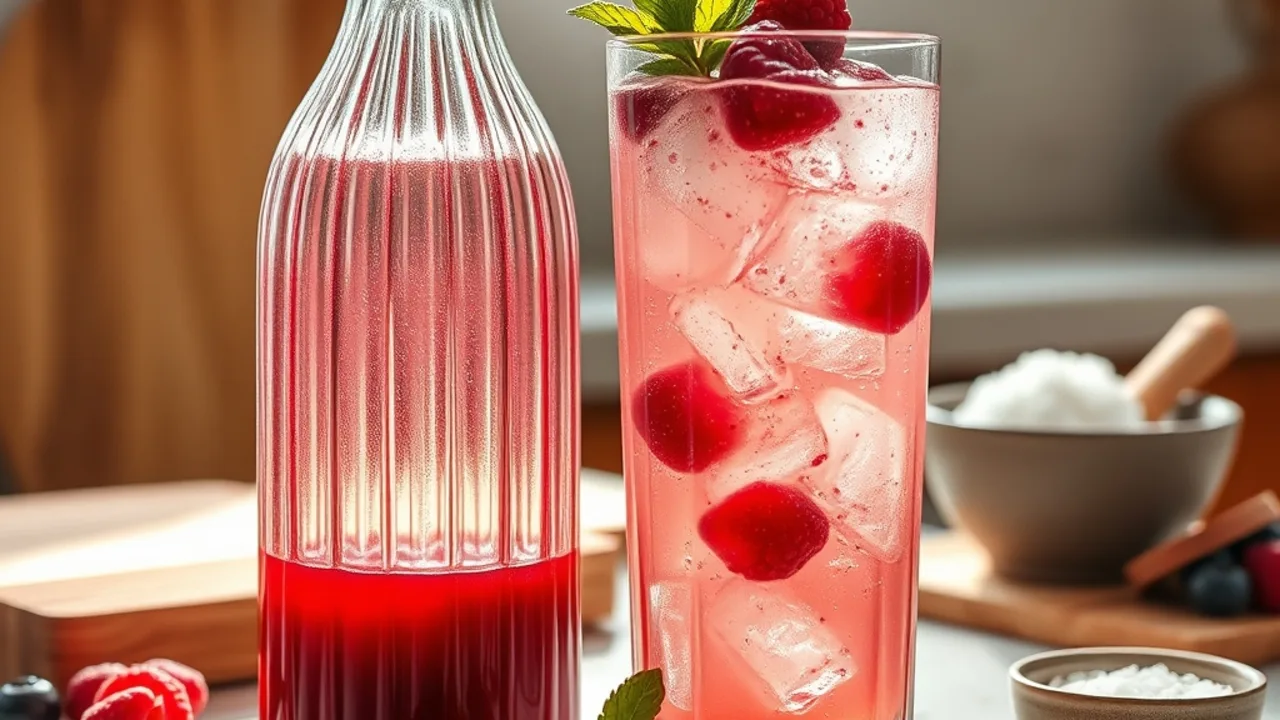
A home made cordial is a sweet, concentrated fruit syrup that you mix with still water, club soda, or hot water to make a refreshing drink. Unlike store-bought syrups packed with artificial dyes and preservatives, making your own lets you highlight the pure, natural flavor of seasonal fruit with just three simple ingredients: fruit, sweetener, and citrus.
To make an easy cordial at home, gently simmer chopped fruit with water until soft, strain the liquid through a fine mesh sieve without pressing, and dissolve equal parts sugar into the warm juice. Add fresh lemon juice or citric acid to balance the sweetness, bottle the syrup, and chill. Dilute about one part cordial with four or five parts sparkling water for an instant refresher.
In This Article
- What Exactly Is Fruit Cordial?
- Master Easy Homemade Cordial Recipe
- Delicious Fruit Cordial Recipes and Variations
- Can You Make Homemade Cordial Without Sugar?
- Homemade Cordial Shelf Life: How Long Does It Last?
- Tasty Ways to Serve Your Cordial
- Frequently Asked Questions
- Start Making Your Own Cordial
What Exactly Is Fruit Cordial?
If you grew up outside the United States, you probably know cordial as a pantry staple. In the United Kingdom, Australia, and New Zealand, cordial (often called squash) is an everyday concentrated syrup diluted with cold water. In classic American kitchen traditions, home made lemon cordial and berry syrups were beloved ways to preserve a bumper harvest before refrigeration became standard.
The magic of traditional cordial comes from three balancing elements:
- Fruit: Provides bold aroma, natural color, and delicious seasonal flavor.
- Sugar: Acts as both a sweetener and a natural preservative by binding moisture.
- Acid: Fresh lemon juice, lime juice, or food-grade citric acid cuts through the richness and keeps the beverage crisp and vibrant.
Master Easy Homemade Cordial Recipe
This master ratio works with almost any juicy fruit. Once you master this method, you can turn berries, orchard fruit, or citrus into an easy homemade cordial whenever fresh produce is on sale.
| Ingredient | Amount | Purpose |
|---|---|---|
| Fresh or frozen fruit | 4 cups (about 500g) | Main flavor and rich color |
| Water | 1 1/2 cups | Extracts juices while simmering |
| Granulated white sugar | 1 1/2 to 2 cups | Sweetness and natural preservation |
| Fresh lemon juice | 3 to 4 tablespoons | Acid balance and shelf stability |
Step-by-Step Instructions
- Simmer the fruit: Place your prepared fruit and water into a medium saucepan over medium heat. Bring the mixture to a gentle boil, then lower the heat. Simmer for 10 to 12 minutes until the fruit breaks down completely. Use a potato masher or the back of a wooden spoon to press the soft pieces gently against the bottom of the pot.
- Strain the juice: Set a fine-mesh strainer lined with cheesecloth over a heatproof glass bowl. Pour the fruit mixture in and let gravity do the work for 15 to 20 minutes. Pro tip: Do not squeeze or force the pulp through the cloth if you want a clear, jewel-toned cordial. For a thicker, rustic cordial, gentle pressing is fine.
- Dissolve the sugar: Pour the strained juice back into the clean saucepan. Add the sugar and fresh lemon juice. Heat over low heat, stirring continuously, until all sugar crystals dissolve completely. Do not let it boil vigorously once the sugar is in, as hard boiling can scorch the delicate fruit notes.
- Cool and bottle: Remove the pan from the heat and allow the syrup to cool to room temperature. Pour into clean glass bottles with airtight swing-top caps or screw lids. Transfer to the refrigerator.
Delicious Fruit Cordial Recipes and Variations
One of the best reasons to learn old fashioned cordial recipes is how easily they adapt to every season. If you enjoy making your own drinks, like our homemade berry juice recipe, you will love playing with these fruit blends.
1. Summer Berry Cordial Recipe
Strawberries, raspberries, and blackberries create a deeply colored, tart-sweet syrup. Mix equal parts of each berry. Because blackberries have high pectin levels, simmer them gently and strain without squeezing to keep your syrup pourable and silky smooth.
2. Traditional Blackcurrant Cordial Recipe
A classic British staple, blackcurrants boast a deep purple hue and an intensely tart, earthy profile. Because blackcurrants are naturally high in acid, you can use slightly less lemon juice and pair them with a touch of vanilla bean or orange zest to round out their sharp flavor.
3. Crisp Apple Cordial Recipe
For an orchard-fresh apple cordial recipe, combine tart baking apples (like Granny Smith) with sweet Honeycrisp apples. Add a strip of lemon peel and a cinnamon stick during the fruit simmer. When mixed with chilled club soda, this makes a wonderful base for an afternoon spritzer, similar to our sparkling apple mocktail recipe.
4. Cozy Spiced Winter Cordial Recipe
When cold weather arrives, create a warming winter cordial recipe using cranberries, pomegranate juice, orange peel, whole cloves, and star anise. Serve two tablespoons stirred into a mug of steaming hot water for a cozy, alcohol-free winter toddy that warms you from the inside out.
Can You Make Homemade Cordial Without Sugar?
Yes, you can make a homemade cordial without sugar, but it helps to understand the role sugar plays in syrup making. In traditional cordial, sugar is not just a sweetener; it lowers water activity, which stops bacteria and mold from growing quickly. According to the food preservation guidelines from the National Center for Home Food Preservation, sugar helps protect color, texture, and stability in canned and preserved fruit mixtures.
If you want a low-sugar or zero-sugar alternative, try these adjustments:
- Monk fruit or allulose: Use a 1:1 granulated sugar substitute. Allulose creates a pleasant syrup-like body without any strange aftertaste.
- Pure honey: Raw mild honey adds floral richness and dissolves nicely in warm fruit juice.
- Shelf life note: Sugar-free cordials lack the natural preservative power of table sugar. Keep sugar-free batches in the refrigerator and finish them within 7 to 10 days, or freeze them in silicone ice cube trays for long-term storage.
Homemade Cordial Shelf Life: How Long Does It Last?
Wondering how long does homemade cordial last in your kitchen? Your exact homemade cordial shelf life depends on your fruit, sugar ratio, and storage method.
- In the refrigerator: A classic cordial prepared with a 1:1 fruit-to-sugar ratio and adequate citrus juice will stay fresh for about 3 to 4 weeks in a tightly sealed glass bottle.
- In the freezer: Cordials freeze beautifully. Leave an inch of headspace at the top of a freezer-safe container to allow for expansion. Frozen cordial retains fresh flavor for up to 6 months.
- Sanitizing your bottles: Wash your bottles with hot soapy water and rinse thoroughly. For extra peace of mind and cleaner storage, the food safety guidance provided by the FoodSafety.gov Food Safety Guidelines explains how clean surfaces and proper chilling keep homemade food safe from spoilage organisms.
Always inspect your bottle before pouring. If you notice mold around the neck, bubbling, cloudiness, or a sour, fermented smell, discard the batch immediately.
Tasty Ways to Serve Your Cordial
Having a bottle of cold cordial in your fridge gives you endless beverage options on busy afternoons. Try these simple serving ideas:
- Classic Sparkling Soda: Pour 2 ounces of cordial over a tall glass of ice and top with 6 to 8 ounces of sparkling water. Stir gently and garnish with a sprig of fresh mint or a citrus wedge.
- Party Punch and Mocktails: Stir berry or citrus cordial into a pitcher with iced green tea or ginger ale. Cordials are among the easiest bases to elevate your mocktail options for guests of all ages.
- Dessert Drizzle: Simmer the cordial for an extra 5 minutes to reduce it slightly into a thicker glaze. Spoon it over vanilla ice cream, plain yogurt, or warm pancakes.
Frequently Asked Questions
Can I use frozen fruit for cordial?
Yes, frozen fruit works wonderfully for cordial. In fact, freezing ruptures fruit cell walls, which helps release rich juice and deep color much faster during the initial simmer.
Why is my cordial cloudy instead of clear?
Cloudiness happens when fruit pulp is squeezed forcefully through the strainer or cheesecloth. To achieve a crystal-clear syrup, let the cooked fruit drain naturally without pressing down on the solids.
Do I need citric acid to make cordial?
No, you do not strictly need powdered citric acid. Freshly strained lemon or lime juice provides plenty of natural acidity to cut sweetness and balance the overall flavor profile.
What is the standard mixing ratio for cordial?
Most home cooks use a ratio of one part cordial to four or five parts water or seltzer. You can easily adjust the amount up or down depending on your sweetness preference.
Start Making Your Own Cordial
Mastering a basic home made cordial lets you turn fresh, seasonal fruit into vibrant artisan drinks with almost no effort. Whether you simmer a deep summer berry batch, a tart winter blend, or a crisp apple syrup, you will love having a bottle ready in the fridge. Grab your favorite fruit this week, make your first batch, and enjoy a fresh, custom sparkling drink whenever thirst strikes.


