
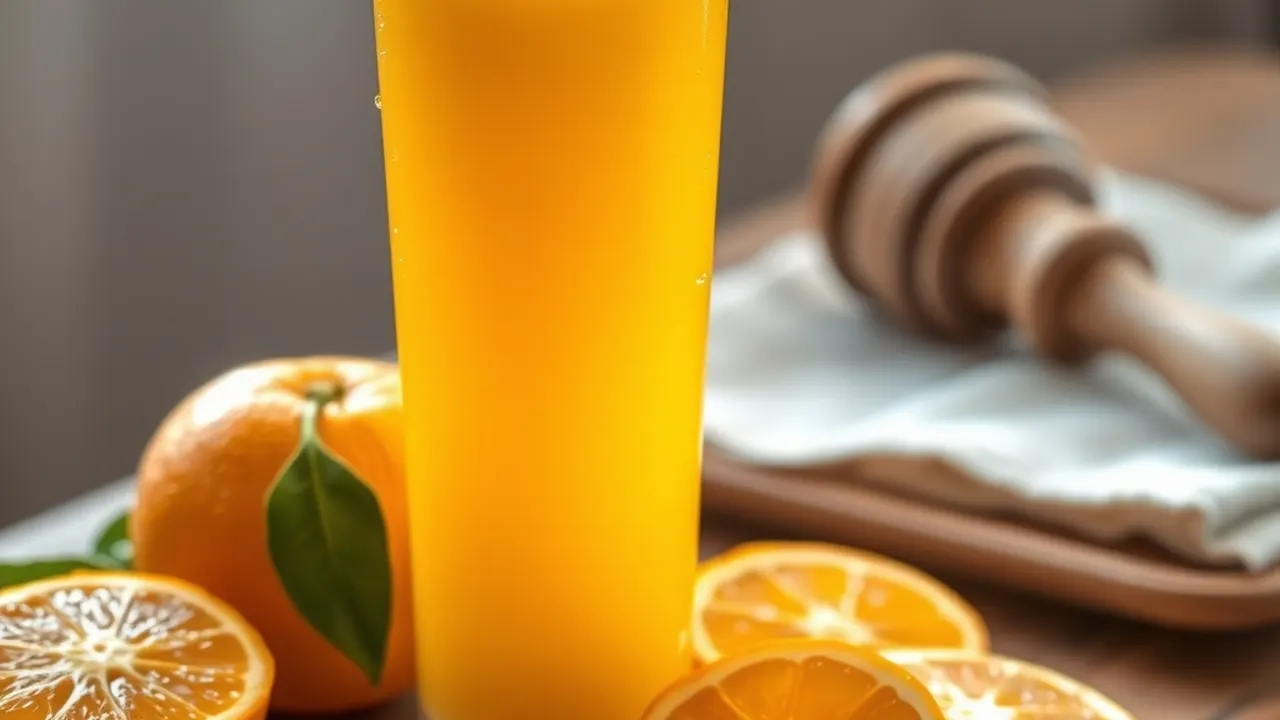
Making fresh homemade orange juice at home is surprisingly simple, fast, and far tastier than anything you can buy in a carton. In just a few minutes, you can transform whole sweet oranges into a bright, refreshing morning drink packed with natural flavor.
To make fresh homemade orange juice, roll ripe juicing oranges on your counter, slice them in half, and squeeze them using a hand squeezer, reamer, or electric juicer. Strain the liquid if you prefer smooth juice, pour it over ice, and serve immediately for maximum brightness and natural sweetness.
In This Article
- The Best Oranges for Juicing
- Orange Juice Recipe Ingredients and Tools
- How to Make Orange Juice by Hand (No Blender Needed)
- How to Make Orange Juice with a Juicer or Blender
- How to Make Orange Juice Without Bitter Taste
- Delicious Variations and Orange Juice Combinations
- Storage and Freshness Tips
- Simple Homemade Orange Juice Recipe Card
- Frequently Asked Questions
- Final Thoughts
The Best Oranges for Juicing
Not all oranges yield the same amount of liquid or flavor balance. Selecting the right fruit is the secret to a naturally sweet glass with zero added sugar.
- Valencia Oranges: Widely considered the gold standard for fresh juice. They have thin skins, high juice content, and a bright sweet-tart balance that stays fresh longer without turning bitter. Agricultural guidelines from the University of Florida IFAS Extension frequently highlight Valencia oranges as the premier commercial and home juicing cultivar.
- Navel Oranges: Great for quick drinking. They are exceptionally sweet and easy to peel. However, they contain a compound called limonin that turns bitter after sitting for a couple of hours. Enjoy Navel juice immediately after squeezing.
- Blood Oranges: These bring a deep crimson color and a rich berry-like sweetness that looks stunning in morning glasses and mocktails.
- Cara Cara Oranges: A pink-fleshed navel variety with lower acidity and hints of cranberry or cherry notes.
Orange Juice Recipe Ingredients and Tools
One of the best things about this recipe is how short the ingredient list is. When comparing store labels to what you make on your counter, reading about real orange juice ingredients shows just how pure a homemade version truly is.
Here are the basic ingredients for orange juice you need:
- Fresh Oranges: 3 to 4 medium-sized oranges per standard 8-ounce glass. Choose fruits that feel heavy for their size, as weight indicates plenty of juice inside.
- Optional Sweetener: A teaspoon of honey, agave, or simple syrup if your fruit is tart.
- Ice: For serving immediately in a chilled glass.
As for equipment, you can use whatever you already have in your kitchen. A basic handheld wooden reamer, a metal hand squeezer, a countertop electric citrus squeezer, or a blender with a fine mesh strainer will all get the job done quickly.
How to Make Orange Juice by Hand (No Blender Needed)
Wondering how to make orange juice without a blender? Learning how to make orange juice by hand requires only a kitchen knife and a little elbow grease.
- Warm and roll the fruit: Let cold oranges sit on your counter for 10 minutes, or submerge them in warm tap water for 2 minutes. Roll each orange firmly against your countertop with the palm of your hand to burst the inner juice vesicles.
- Slice in half: Cut each orange horizontally across its equator, rather than stem to blossom end. This exposes all the juice chambers.
- Extract the juice: Place a fine mesh strainer over a glass bowl. Firmly squeeze each half by hand, twisting a fork or spoon into the center pulp to free any trapped liquid.
- Stir and pour: Press the collected pulp in the strainer with the back of a spoon to release every drop of liquid before discarding seeds.
How to Make Orange Juice with a Juicer or Blender
If you prefer using small kitchen appliances, learning how to make orange juice with a juicer or high-speed blender can speed up the process for larger batches.
Using a dedicated citrus press is effortless: place the halved fruit cut-side down onto the rotating reamer and press firmly. The machine catches seeds and separates pulp automatically in seconds.
If you are using a standard centrifugal or masticating juicer, you must peel the oranges first. Remove the colored peel entirely, leaving as little white pith as possible, then feed the peeled segments into the chute.
For blender juicing, peel 4 oranges completely. Cut away any thick white inner membrane. Place the orange segments into your blender pitcher with 2 to 3 tablespoons of cold water to help the blades catch. Blend on medium-high speed for 30 to 45 seconds until liquefied, then pour the mixture through a nut milk bag or fine wire sieve to remove fibrous residue.
How to Make Orange Juice Without Bitter Taste
Have you ever squeezed fresh juice only to find it tasted strangely sharp or bitter after sitting? Knowing how to make orange juice without bitter taste comes down to two key factors: avoiding the pith and understanding delayed bitterness.
The thick white sponge-like layer beneath the orange peel is called the albedo, or white pith. It contains high levels of bitter flavonoids. When pressing citrus, take care not to grind into the white peel.
Additionally, Navel oranges contain a natural chemical precursor called limonin glucoside. Once the fruit cells break open, an enzyme converts that precursor into limonin, which tastes noticeably bitter after 30 to 60 minutes. To prevent this, either drink Navel orange juice right away or choose Valencia oranges, which have virtually no limonin.
Delicious Variations and Orange Juice Combinations
While pure citrus is classic, trying creative orange juice combinations can make breakfast feel special.
- How to make orange juice with milk: For a nostalgic, creamy morning treat reminiscent of a diner classic, whisk equal parts cold orange juice and chilled whole milk or evaporated milk with a dash of vanilla extract and crushed ice. If you want a thicker blended version, check out our fresh Orange Julius recipe for exact proportions.
- How to make orange juice with sugar: If your seasonal oranges are somewhat tart, make a quick simple syrup by dissolving equal parts warm water and granulated sugar. Stir 1 to 2 tablespoons of this syrup into your pitcher. Simple syrup blends instantly, unlike dry sugar crystals that sink to the bottom.
- Apple and Orange Fusion: Mix freshly pressed orange juice with crisp apple juice for a mild, kid-friendly blend. Explore our guide to juicing recipes with oranges and apples for tasty ratios.
- Morning Citrus Sparkler: Fill a tall glass with two-thirds fresh juice and one-third sparkling mineral water, garnished with a sprig of fresh mint.
Storage and Freshness Tips
Pure citrus juice begins losing volatile aromatics and vitamin C when exposed to air and light. According to dietary profiles published by the USDA FoodData Central, raw citrus juice retains the highest concentration of heat-sensitive nutrients when kept cold and unpasteurized.
Pour your freshly made juice into an airtight glass jar or glass bottle, filling it close to the rim to reduce trapped oxygen. Seal the lid tightly and store the jar in the coldest part of your refrigerator for up to 3 days.
Natural separation will happen after a few hours as the fruit solids settle. This is normal and harmless. Simply shake or stir the jar before pouring. You can also freeze fresh juice in silicone ice cube trays for up to 3 months to use in smoothies or cooking.
Simple Homemade Orange Juice Recipe Card
Fresh Homemade Orange Juice
Prep Time: 5 minutes | Yield: 2 servings (approx. 12 to 14 oz)
Orange Juice Recipe Ingredients:
- 6 medium Valencia or Cara Cara oranges, washed and at room temperature
- 1 to 2 teaspoons honey or simple syrup (optional, to taste)
- Handful of ice cubes for serving
Step-by-Step Directions:
- Press each orange down firmly on the kitchen counter and roll it back and forth for 10 seconds.
- Slice the oranges horizontally across their centers using a sharp chef's knife.
- Position a citrus reamer or manual squeezer over a measuring pitcher and press each half firmly to extract the juice.
- Strain the liquid through a fine wire mesh if you prefer a pulp-free drink, or leave the pulp for extra texture.
- Taste the juice and stir in a small amount of sweetener only if needed.
- Pour over ice and serve immediately.
Frequently Asked Questions
Do you add water to fresh squeezed orange juice?
No, you do not need to add water to fresh squeezed orange juice. Ripe oranges contain plenty of natural water and flavor, so adding water will dilute the taste unless you are blending whole peeled fruit and need a splash to get the blades spinning.
How many oranges does it take to make one cup of juice?
It usually takes about 3 to 4 medium-sized oranges to yield one standard 8-ounce cup (240 ml) of fresh juice. Juicier varieties like Valencia might only require 2 to 3 fruits.
Why does my fresh orange juice separate in the fridge?
Fresh juice lacks artificial emulsifiers and stabilizers found in processed cartons. The natural fruit pulp and pectin naturally float or settle over time. Simply give the bottle a quick shake to recombine the liquid.
Can I drink fresh orange juice every day?
Yes, fresh citrus juice can easily be part of a balanced daily routine, offering plenty of natural hydration and vitamin C. If you enjoy cooking with citrus, you can also explore delicious culinary recipes with fresh orange juice to use up surplus fruit.
Final Thoughts
Crafting your own homemade orange juice is one of the easiest kitchen upgrades you can make. With a handful of sweet oranges and simple tools, you get a vibrant, silky drink that makes your breakfast table feel like a luxury brunch.
Choose heavy, ripe fruit, keep bitter white pith out of your press, and enjoy the bright, clean taste of real citrus. Give this easy technique a try tomorrow morning and taste the incredible difference for yourself.


